




Beyond Traditional Zippers: Are Tapeless Designs Better for Premium Apparel?

Related Posts
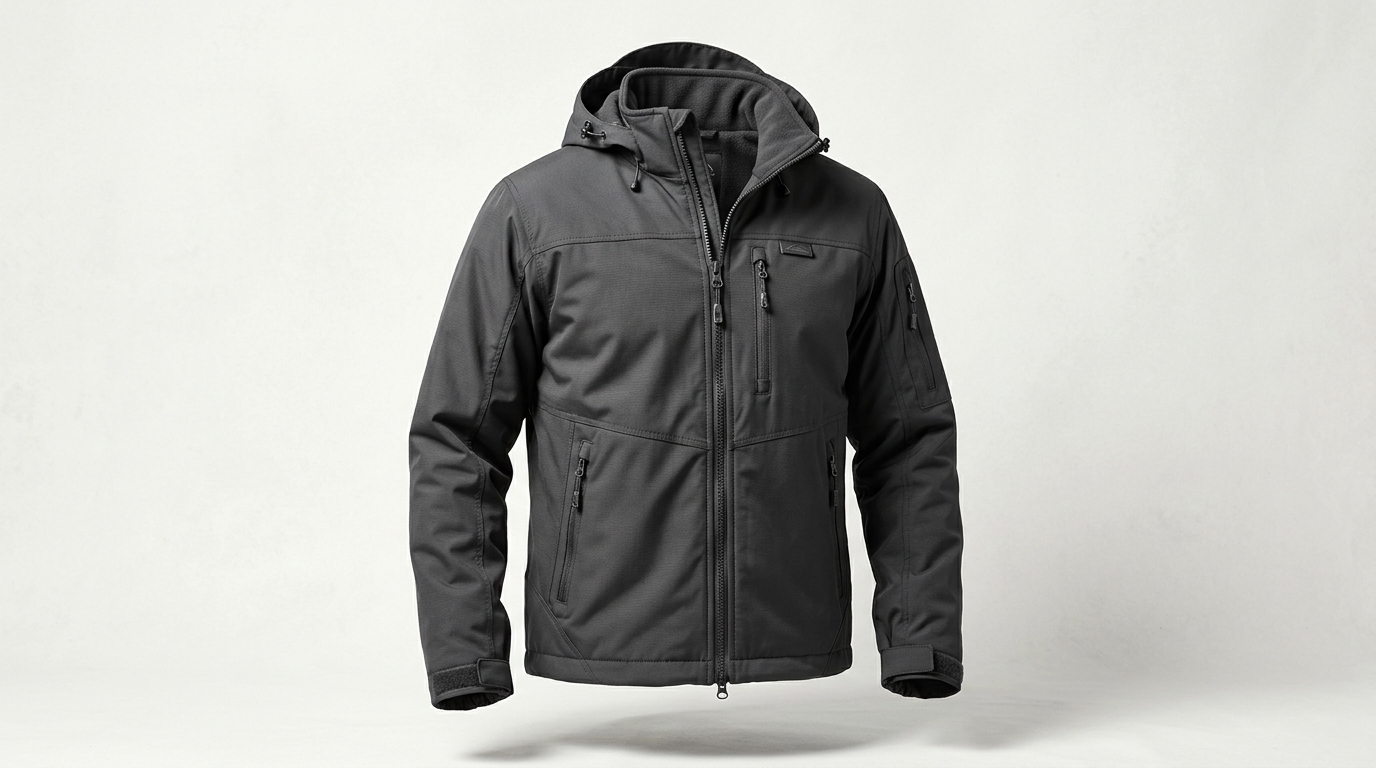
How Should Brands Evaluate Zipper Performance for High-End Outdoor Clothing?
November 17, 2026
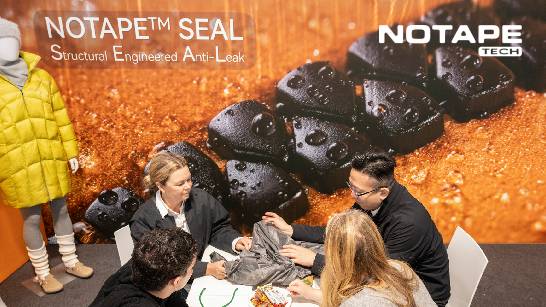
Notape pitches lighter repairable zippers
November 16, 2026
130 Years Later, Cars Were Reinvented by Electrification. What About the Zipper?
October 12, 2026
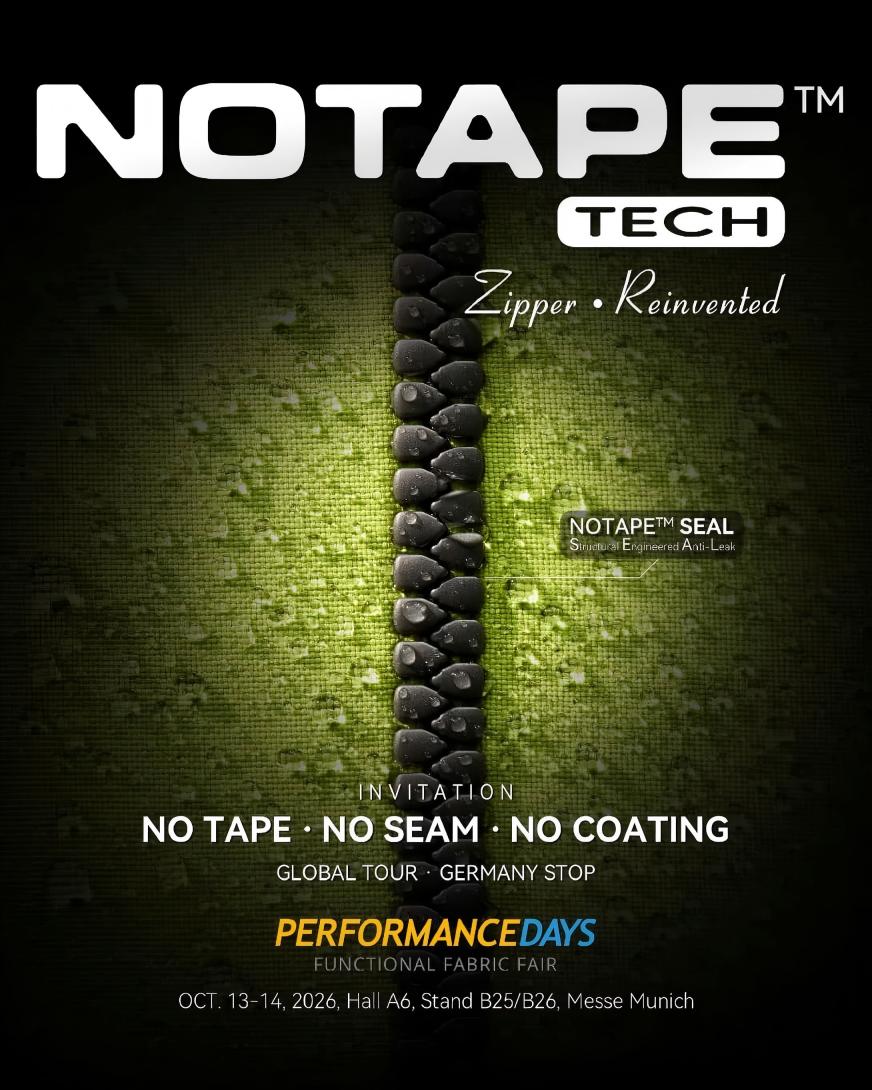
Waterproof Zipper without Coating Supplier | NOTAPE™ No Coating Zipper Technology
September 26, 2026
Tapeless Zipper Vs Traditional Zipper: Which is Better for Premium Apparel?
Every zipper does the same basic job. It opens and closes a garment. But not every zipper is built the same way. The structure of a zipper changes how a garment looks, feels, and moves.
In this article, we are talking about things to consider before you choose the zippers for your apparel projects.
How a Traditional Zipper is Built
A traditional zipper has three main parts: teeth, a slider, and textile tape. The teeth are fixed to the tape. The tape is then sewn into the garment along both sides of the opening.
Invisible Zippers
These are zippers that are for garment sewing and on one side you’ll see that you don’t see any of the zipper teeth and that is the pretty side of it, the right side where the zipper opens, but you don’t actually see any of the teeth and when you flip it over you see the teeth.
Zipper Sizes
So those are going to be a number three zipper, which is often called a craft zipper. Then we have a number 4.5 zipper or handbag zipper. And then sometimes you’ll see a number five handbag zipper.
Note that the width of the zipper tape is one inch from here to here, and then the teeth themselves- that’s what the number three reference is. It means that the width of the zippered teeth is about three millimeters wide, so that’s where the number three comes in.
Well, the width of the zipper tape from here to here, remember I said it was one inch on the smaller zippers. On these guys, it’s an inch and a quarter wide, and also the same width on the number five zippers. But don’t get confused; this is still a different category, and it’s because of the zipper teeth. Well, then this one measures 4.5 millimeters, and this one measures five millimeters. So because the zipper teeth are larger on a number five zipper, you also need a larger zipper pull in order to go on here.
These ones are easier to install, especially if you don’t have a zipper foot on your machine, because you have more clearance here for the zipper tape and for your seam allowance. So you can stitch at a quarter inch here, and you still won’t run the risk of getting close to the zipper teeth, so you don’t get a crooked seam and things like that.
Zippers by the Yard
What you see here is called zippers by the yard, where the tape is just by itself. You can get it on a big roll. You can get it by yardage, and then you just have to purchase the zipper pulls either in a kit, depending on where you’re getting it from, or separately. Make sure that you’re getting the right size for the right zipper tape that you have.
If you have a 4.5 handbag zipper, you might go like this and try to slip this on, and you’ll see what happens when I’m using a number five zipper pull on a number 4.5 tape. Yeah, it’ll go on, but it’s just way too big, so it’s not closing or opening the zipper.
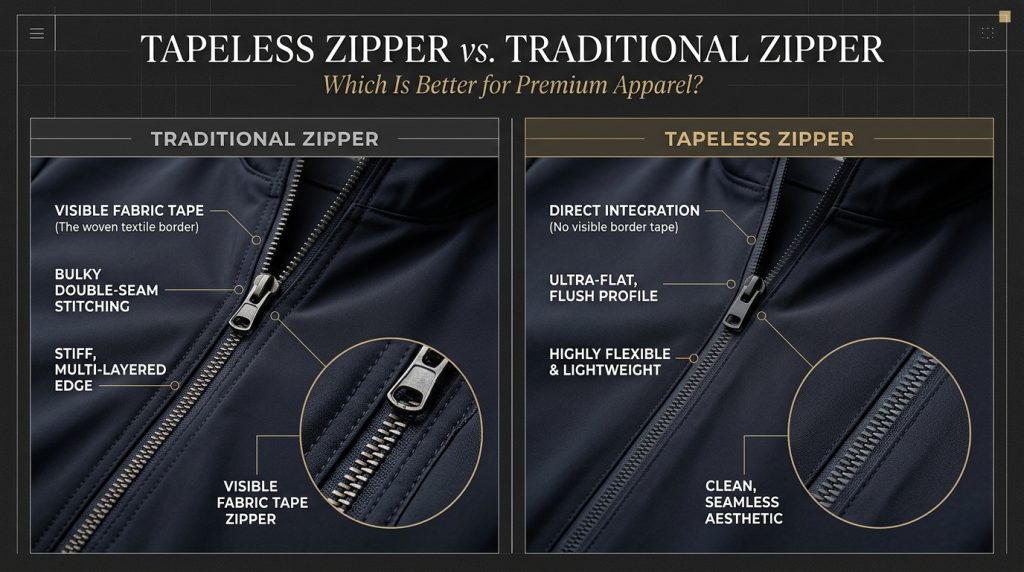
Tapeless Vs Traditional: Structure
The tape is the base of the whole zipper. A tapeless zipper removes the textile tape. The teeth integrate directly with the garment fabric.
NOTAPE™ is a global first in this technology. The zipper is formed as one with the fabric using patented equipment, rather than traditional sewing methods.
Tapeless Vs Traditional: Appearance
The next thing I want you to keep in mind is what is the look that you are going for in the finished installed zipper.
You can see that the fabric on either side is really close to the zipper teeth. Can you see that? So all I’m seeing is the zipper teeth of this white zipper pretty much on this guy. However, can you see where the zipper teeth are? I have at least a quarter of an inch left of the blue zipper tape, so I can see more of the color of that zipper tape in this one. See the difference there?
So this is something that you want to keep in mind for your finished project. What is the look that you’re going for? Do you want a lot of that zipper tape to show, or do you want only the teeth to show? Because this can also affect the finished size of whatever that panel or pocket is that you’re working on.
Traditional: The tape often creates a raised strip on each side of the closure, with visible stitch lines. Tapeless: The closure is flatter and cleaner.
How Seam Allowance Changes the Panel
If you sew a really scant seam allowance to either side, you’re adding height to this front panel. Do you see how that works? Because if the pattern wanted me to stitch right here and I didn’t, I’ve added this much and this much on the other side to the finished size of that panel. So you have to think about those things before you go in and try to match up another panel that maybe gets sewn to this.
And then you think, well, hey, I thought I’d cut my pieces correctly. I know I sewed the zipper on right, but the panels now don’t match. And this may be to blame for that because instead of sewing closer to the zipper teeth, you sewed further up, and now you’ve added some height or length, depending on which way the zipper was installed, to that panel or pocket.
Tapeless Vs Traditional: Drape and Curves
Is it going to be installed in a project straight and flat like these, or is it going to be installed in a curve shape like this?
Thick Tape Vs Thin Tape
The zipper tape on this is polyester. It’s a synthetic. The zipper tape itself is thicker than the tape on the sides of these ones that I have by the yard. This is more like a thin twill tape. It’s not as thick and as rigid as this.
So most people would think that the more rigid one is going to be a little bit harder. However, in my experience, I have found that the thinner, more lightweight zipper tape gives me more trouble because it is lightweight.
Making Slits in the Tape
We usually make little slits into the tape to get it to release around a curve, right? Because if you don’t make any slits or notches, look what happens. Even just by turning this, trying to get it to go in a curved shape, it starts to ripple, and it just pops up out of place because there is no allowable curve built in there. But if we make tiny slits along this area, then I would be more able to turn it like that because it allows the zipper tape itself to expand along that shape.
Steaming the Tape
Because it is a thinner fabric, oftentimes we can get a little kink in there or a bend and a fold. And so my first tip for that is to steam your zipper to get that fabric to relax. I don’t want to be fussing with stuff that’s curving or bent up as I’m sewing. I want everything to lie nice and flat.
Tapeless Vs Traditional: Lightweight Garments and Bulk
If you’re working on a zippered project that features foam interfacing or fusible fleece, multiple layers, making this area be thinner is going to allow you in your construction steps to reduce the amount of bulk in those thicker seams.
In light fabrics, the tape and textile side panels can cause bulges or wrinkling. By removing textile side panels, NOTAPE™ helps avoid these bulges and wrinkles.
Which is Better for Premium Apparel?
It’s not that any of them have a pro or have just pros and cons. It’s that you need to assess what you’re working with first so that you know what little steps you need to take in order to achieve the best results in your finished project.
NOTAPE™ currently focuses on high-end apparel: down jackets, windbreakers, lightweight jackets, and business-formal garments. NOTAPE™ comes at a premium because true innovation is rare.
Contact NOTAPE™ to compare tapeless zippers on your next collection.
Share on Social:



Contact Us
In This Article
Related Posts
How Should Brands Evaluate Zipper Performance for High-End Outdoor Clothing?
November 17, 2026
Notape pitches lighter repairable zippers
November 16, 2026
130 Years Later, Cars Were Reinvented by Electrification. What About the Zipper?
October 12, 2026
Waterproof Zipper without Coating Supplier | NOTAPE™ No Coating Zipper Technology
September 26, 2026


