




No-Tape & Low-Profile Zippers for Technical Sportswear

Related Posts
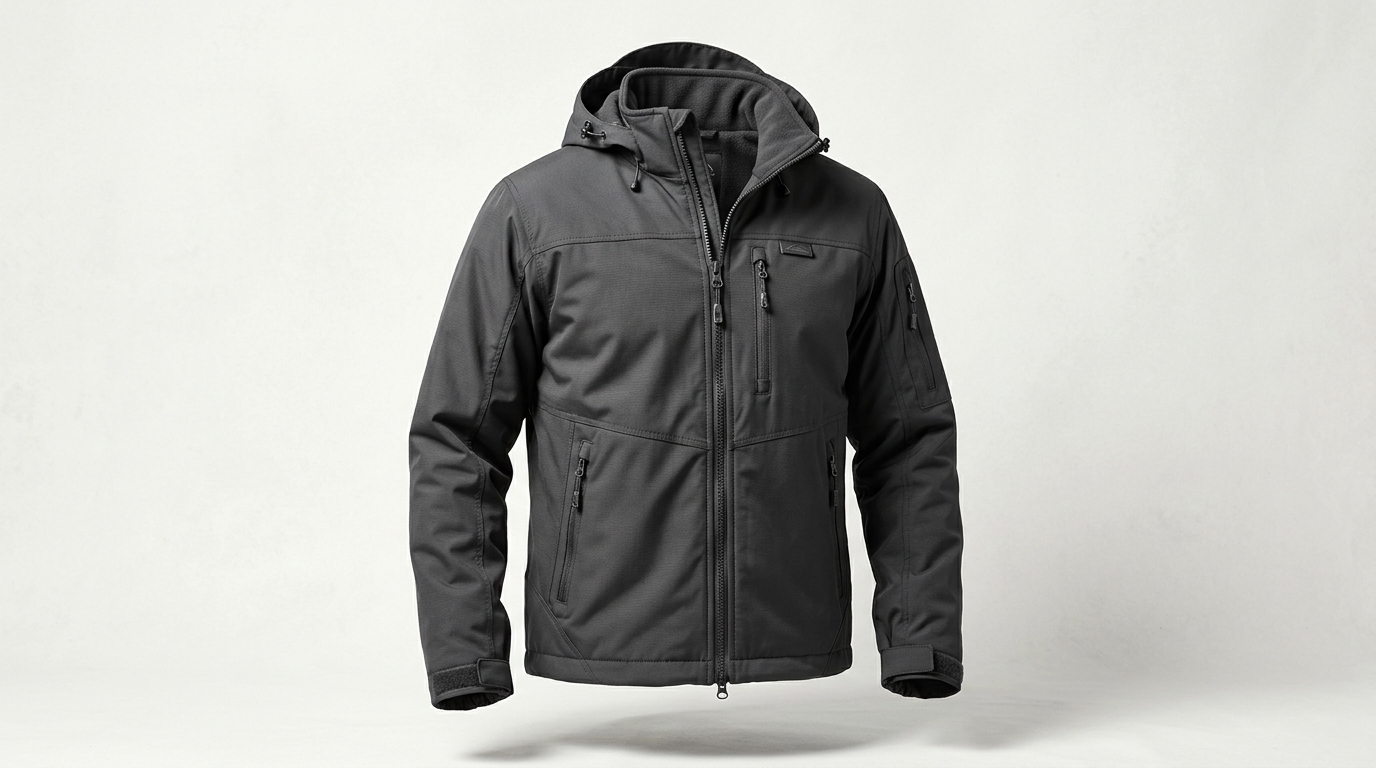
How Should Brands Evaluate Zipper Performance for High-End Outdoor Clothing?
November 17, 2026
Notape pitches lighter repairable zippers
November 16, 2026
130 Years Later, Cars Were Reinvented by Electrification. What About the Zipper?
October 12, 2026
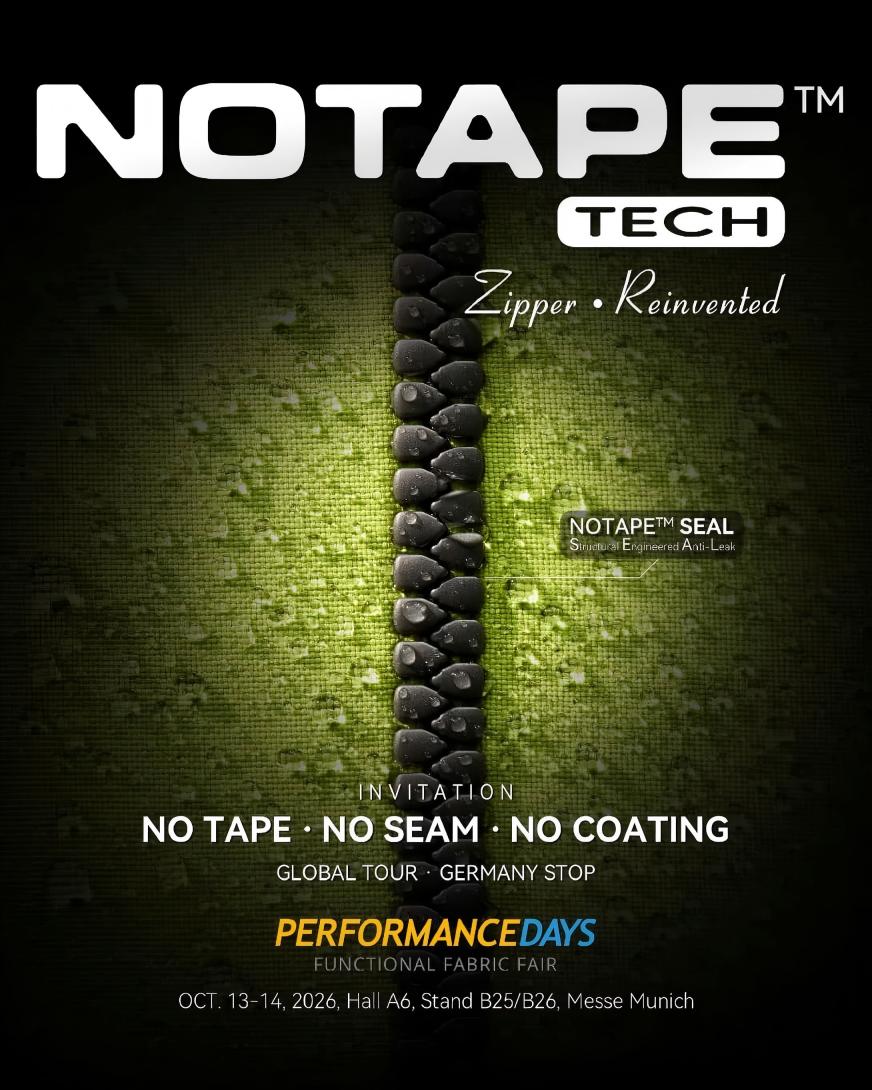
Waterproof Zipper without Coating Supplier | NOTAPE™ No Coating Zipper Technology
September 26, 2026
Which Zipper Constructions Help Reduce Bulk in Technical Sportswear?
Technical sportswear must perform. It needs to move with the body, feel light, and look sharp. Every extra layer of material can affect comfort and style. One part that often adds unwanted bulk is the zipper.
This will give you an introduction to the zipper world and clearly outline the different mechanisms and which mechanism works in which specific situations.
Zipper Anatomy: Where Bulk Begins
We’ll start off with a quick recap of zipper anatomy. So in the middle, the intersecting teeth are what is known as the zipper teeth. These are made out of nylon. The tape that connects the zipper teeth to the garment is called a zipper tape.
The Retainer Box and Insertion Pin
Since this is an open-ended zipper, this separates; we have what’s known as a retainer box. On the other side, we have an insertion pin, because obviously we use that pin to insert into the retainer box. If we have a closed-end zipper, instead of the insertion pin and the retainer box, we’d have what is known as a bottom stop.
The Slider, Pull and Head
But we do have the slider body and the zipper pull and the zipper head.
The Tape: The Main Source of Bulk
Most zippers are built on textile tape. The zipper teeth sit on the tape, and the tape is sewn into the garment. The tape is the main source of bulk.
Zipper Tooth Materials
When it comes to the materials that compose different zipper types, there are three key categories. Know that they are nylon coil teeth, that’s very common, we see that on a lot of garment types and accessories. We have metal teeth that create these zipper teeth themselves, and then finally we have plastic molded teeth.
Just know that most zippers that we see on day-to-day garments are actually nylon coil teeth. They’re some of the most durable and easiest to repair.
Understanding Zipper Sliding Mechanisms
When it comes to these zipper sliding mechanisms, what we’re technically referring to is the ways in which these zippers undo from each other, whether they’re sliding and they become completely undone, or they’re sliding in two ways, or they slide and they stop at the bottom in order to just separate from the top.
1. The Closed End Zipper
We’ll start off with one of the most common types of zipper mechanisms, and that’s what’s considered to be the closed-end zipper type. We see these used on pockets. Think of a pocket. You want to be able to have easy access, but you want to be able to secure the goods or the items that you’ve stored inside that pocket. In order to do that, you need to have a way to ensure that the zipper tape never accidentally comes undone from each other, completely separating.
In this case, you can’t necessarily see it, but it’s a little box at the end of the zipper tape that stops the garment from completely getting undone.
Bulk on Pockets and Openings
The zipper runs along key areas like the chest, pockets, and openings. If it adds bulk, the wearer will notice.
2. The Open End Zipper
Our open-end zipper is also extremely common. We usually see it used on zip-up jackets. In this case, you have what is known as an open-end zipper that’s characterized by a retainer box at the bottom and an insertion pin that slides into the retainer box that allows us to clip and to zip upwards.
Why Sportswear Relies on Open End Zippers
One that you see a lot, especially in sportswear items, where you need to have that quick ability to put on and take off the zipper. And usually with sportswear hoodies, the reason we see a lot of zips is they’re quite tightly fitted, so if you were to create a pullover-style hoodie and use an athletic fit, that might be a bit of an inconvenience to get on and off.
In active and technical garments, small details make a big difference.
3. The Invisible Zipper
This doesn’t necessarily have to do with the way in which the zipper comes undone. It actually has to do with how the zipper is ornamented.
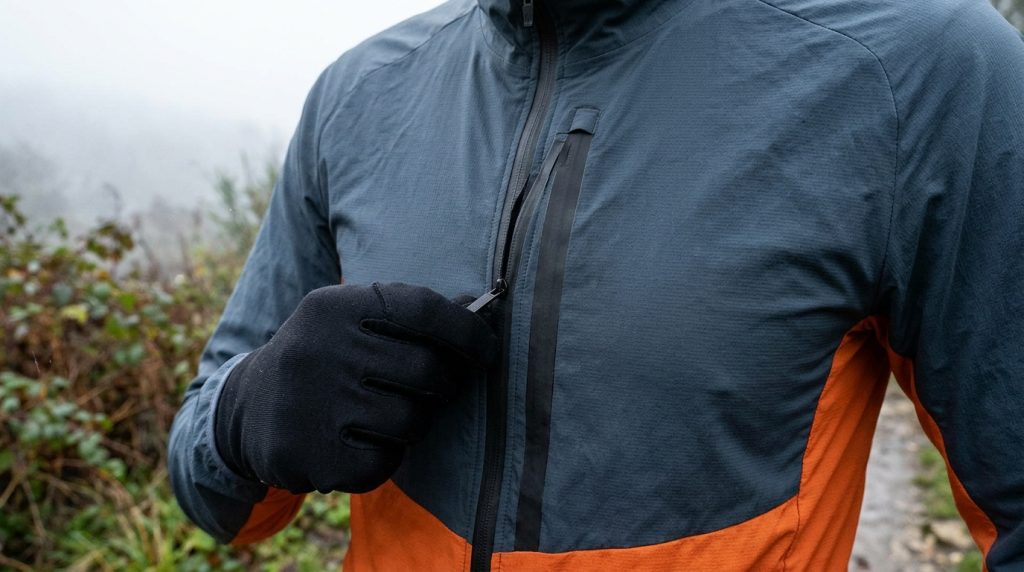
But most or some types of technical garments, where we need to have things that are waterproof, or we need to have an extra layer of protection for the zipper head or the zipper tape, we’ll add a lining onto it. This is what creates an invisible zipper, where you can’t physically see the teeth on the outside.
A Sleeker, Lower Profile
This creates two things. Number one, it allows for a much faster and slicker sliding mechanism if the material used on the lining is correct, and at the same time, it creates a very low profile and sleek look to the garment.
Protection From the Elements
At the same time, it also adds a layer of waterproofness. If you think about technical garments like raincoats or windbreakers, having an invisible zipper will protect the teeth, whether they’re metal teeth, nylon teeth or even plastic teeth, from coming under the effects of the elements. At the same time, they create an extra layer of fabric or material to prevent water from seeping into the pockets themselves.
4. The Bag Type: Head-to-Head Two-Way Zipper
Number four on our list is a zipper mechanism that we see predominantly used on accessories like bags. This is considered to be the bag type, or what is known as the head-to-head two-way zipper.
So with a bag, we want to be able to access the perimeter zipper easily and efficiently. Instead of just having one zipper that undoes in a closed-end manner, we have a two-way zipper system where the zippers are aligning in the middle of the zipper tape, and they’re head-to-head.
5. The Two-Way Bottom-to-Bottom Zipper
And this type of zipper is characterized as being most commonly used on garments, jackets themselves. These jackets usually feature two-way zippers for easy access to put on and take off. It’s basically half the time and half the effort. You can zip it from any direction, and typically they’ll meet in the middle. You can zip them all the way down or all the way up, and this is an extremely convenient and efficient way of zipping the jackets. It’s a very functional and technical look.
The Low-Bulk Construction: NOTAPE™ Tape-Free Zippers
The most direct way to reduce zipper bulk is to remove the tape. This is what NOTAPE™ does. The zipper is formed as one with the fabric using patented equipment, rather than traditional sewing methods.
NoTape Coil Zippers
Coil zippers are light and flexible. Without tape, they offer a low-bulk, subtle closure for soft technical fabrics.
Build Lighter, Cleaner Technical Sportswear
Contact NOTAPE™ to explore low-bulk zipper construction for your next technical collection.
Share on Social:



Contact Us
In This Article
Related Posts
How Should Brands Evaluate Zipper Performance for High-End Outdoor Clothing?
November 17, 2026
Notape pitches lighter repairable zippers
November 16, 2026
130 Years Later, Cars Were Reinvented by Electrification. What About the Zipper?
October 12, 2026
Waterproof Zipper without Coating Supplier | NOTAPE™ No Coating Zipper Technology
September 26, 2026


