




Best Zipper for Outdoor Apparel: The Trail-to-Street Trend
By hqt
11, 2026Related Posts
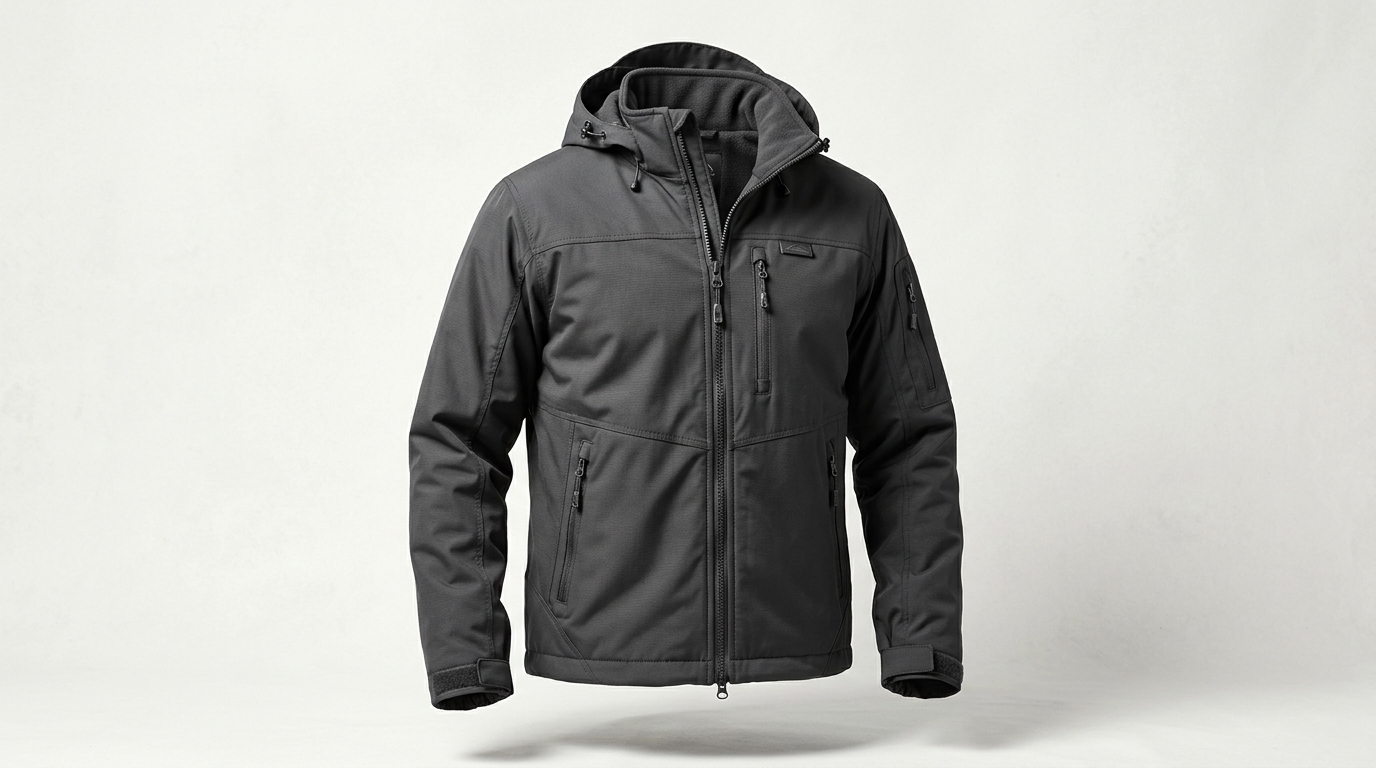
How Should Brands Evaluate Zipper Performance for High-End Outdoor Clothing?
November 17, 2026
Notape pitches lighter repairable zippers
November 16, 2026
130 Years Later, Cars Were Reinvented by Electrification. What About the Zipper?
October 12, 2026
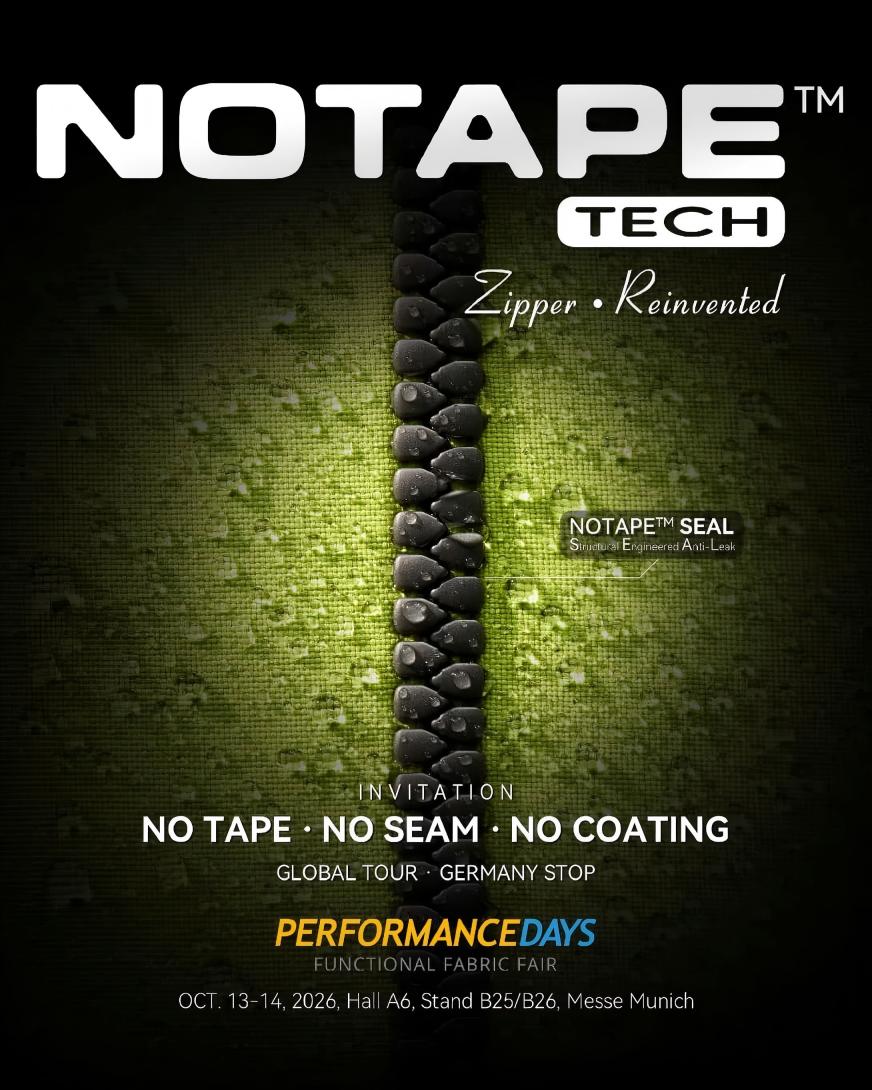
Waterproof Zipper without Coating Supplier | NOTAPE™ No Coating Zipper Technology
September 26, 2026
Jackets designed to help you navigate trails should also help you negotiate city streets. This is the basic philosophy behind “trail to street” apparel. Waterproof and breathable membranes, durable water resistant coatings, and DWR finish are part of the base layer of outdoor apparel. But what happens to the smaller components, like zippers?
The Best Zipper for Outdoor Apparel must have a number of traits to be considered for use in outdoor apparel. These characteristics include durability, being weather resistant, being lightweight, and having visual simplicity. The aesthetic appeal of a garment should also be considered. Outdoor apparel is crossing over to everyday apparel.
What Is the Trail-to-Street Trend?
The term “trail to street” describes outdoor apparel that has crossed over to everyday apparel. More specifically this describes how outdoor apparel that helps one negotiate trail and wilderness areas is crossing over to help one negotiate urban areas.
Hiking shells, windbreakers and technical jackets are all trail to street apparel. It is closely related to gorpcore and like gorpcore, it describes apparel that is functional and helps one negotiate the outdoors and urban areas.
According to the Outdoor Industry Association’s 2025 Consumer Trends Report, the 90% plus of outdoor market consumers who live the casual and active lifestyle present a challenge to apparel designers to help negotiate the useful features of outdoor apparel for daily use.
The Importance of Zippers in Trail-to-Street Clothing
There are two main purposes of zippers in hybrid outdoor apparel. Functionally, they secure closures, provide ventilation openings, and offer partial protection against wind and rain. Visually, zippers can define a garment with their thickness, attachment seams, color, and surface treatments.
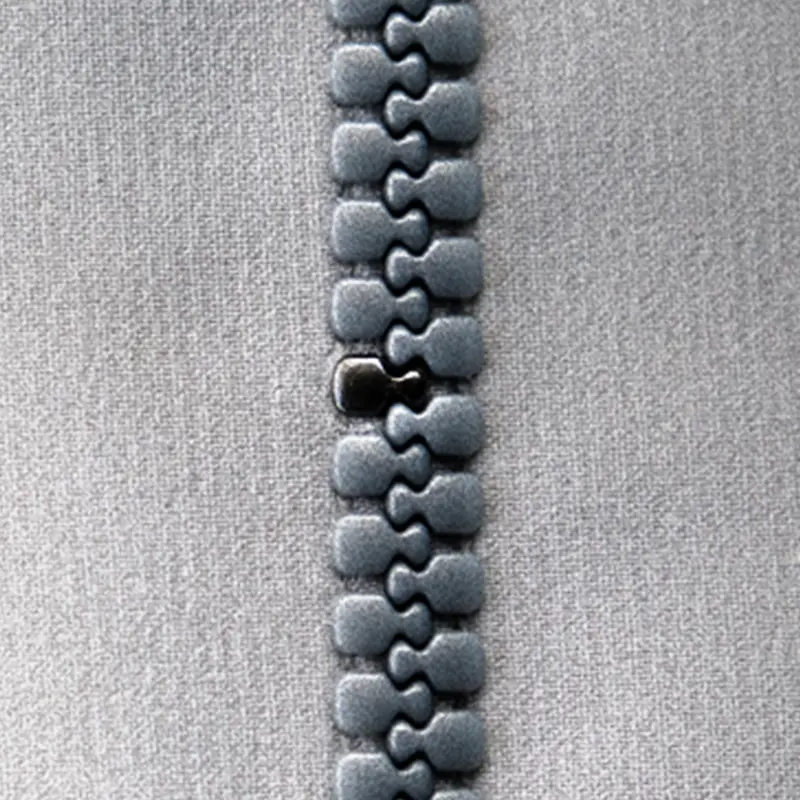
There are three possible sources of visible lines or additional thickness, at the opening of a jacket, where traditional zipper tape and stitching are employed. While these details may be appropriate in technical equipment, they might be undesirable in urban outerwear. Therefore, in evaluating zippers for outdoor apparel, it is important to look beyond the zipper teeth.
What are the Key Components of a High-Quality Outdoor Zipper?
There are four areas in particular that deserve attention.
1. Durability and Repeated Use
When a zipper is opened and closed repeatedly, the garment also is moved around and can potentially suffer wear and tear. When examining these types of zippers, designers must look beyond the appearance and test zipper teeth engagement and slider reliability. Lateral strength and performance over repeated operating cycles must be evaluated. Testing also must reflect real world conditions.
2. Weather Resistance
Water resistant and waterproof are not the same thing.
Water-resistant zippers minimize water penetration in specified conditions. Waterproof performance requires system-level protection.
The choice depends on what type of conditions the jacket will be exposed to. Is it just everyday exposure to a little bit of rain? Or will it be subjected to frequent and extended exposure to bad weather?
3. Lightweight and Flexible Construction
Factors like the use of thicker zipper tape, multiple fabric layers, and extra fabric protection can all contribute to increased bulk.
There are ways to thin the structure and improve flexibility, however, these need to be considered in the context of other trade-offs.
4. Fabric Integration and Aesthetic Appearance
For jackets that are designed to be worn while hiking and urban exploring, it is beneficial for the design to be unified.
Different fabrics carry different properties and affect the overall piece volume as well as closure methods. The integration of a zipper tightly to the fabric can give a cleaner line than zipper tape, however choices like this need to be balanced by design in regards to the thickness and elasticity of the fabric.
Traditional vs. Water Resistant vs. Tapeless Zippers
Different construction techniques for zippers allow manufacturers to address specific design requirements.
| Zipper Type | Construction | Main Consideration |
| Traditional | Teeth attached to textile tape which are then sewn to fabric | Relatively easy to manufacture |
| Water Resistant | A tape based structure with a protective film or coating | Protection from the elements and the durability of the film/coating |
| Tapeless | Alter the structure of the zipper element to eliminate tape and attach elements to fabric | Improve fabric integration and reduce layers |
Tapeless zippers do not automatically make a zipper waterproof. Closure geometry, materials, and how the final item is constructed determine overall waterproofing.
At NOTAPE™, we explore how removing conventional zipper tape can change the relationship between the closure and garment fabric.
Our NOTAPE™ SEAL technology takes this approach further through “three NO”design:
• No Tape: Removes conventional textile zipper tape.
• No Seam: Eliminates the traditional tape-sewing line, not every seam in the garment.
• No Coating: Uses an engineered physical barrier rather than a conventional surface coating for water resistance.
This approach tackles issues of material layers, tape-sewing, and coating dependency with structural designs.
Selecting Zippers for Different Trail-to-Street Uses
The Best Zipper for Outdoor Apparel depends on the use case for the finished garment.
• Lightweight windbreakers: Choose low weight, flexibility and ease of use with a compact construct.
• Rain jackets and commuter outerwear: Look at water resistance and the interaction between the zipper, fabric and protective flaps.
• Urban technical jackets: Focus on appearance and ease of movement, as well as the construction of the garment.
• Hardshell and ski jackets: Look at mechanical durability and protection with regard to the conditions it will be used in.
Prior to mass production, zippers should be tested with the fabric in question.
How Zipper Innovation Facilitates Hybrid Apparel
Most innovative work with zippers involves adding special materials or surface treatments.
Instead, unnecessary structural components can be eliminated.
Tapeless technology provides an opportunity to remove intermediate materials and rethink how garments are constructed.
This, on its own, will not necessarily reduce a product’s environmental impact.
Balance is critical when you are thinking about material usage, manufacturing processes and the durability of the product.
Innovations should be inspired from identified needs of a product. For Best Zipper for Outdoor Apparel, this is probably the best pathway for innovation.
A Different Approach to Outdoor Apparel Design
A jacket designed for both mountain paths and city streets should not have to choose between practical construction and a clean appearance.
At NOTAPE™, we believe zipper development can begin by questioning familiar structural layers rather than simply adding new ones.
Our tapeless technology and NOTAPE™ SEAL water-resistant construction reflect that direction, offering designers another way to explore the Best Zipper for Outdoor Apparel.
Interested in what a zipper without conventional tape, tape-sewing seams, or surface coating can look like?
Explore the technology and design possibilities at NOTAPE™.
FAQs
Q1: How are the zipper top stop and bottom stop handled?
The zipper structure is formed using patented equipment and specialized process treatments.
Q2: What types of garments can NOTAPE™ zippers be used for? Can they be used for bags, hats, or cases?
NOTAPE™ currently focuses on the high-end apparel segment, primarily covering down jackets, windbreakers, lightweight jackets, and business-formal garments.
If future application directions are updated, we will inform our partners in a timely manner and share relevant technical and application information accordingly.
Q3: What kind of brand is NOTAPE™?
NOTAPE™ was founded in Hong Kong and is a technology-driven brand serving the global market, with a focus on innovative zipper technologies.
Q4: Is NOTAPE™ a copy or imitation?
No. NOTAPE™ is the world’s first to develop tape-free zipper solutions and holds exclusive patented technologies for both no tape coil zippers and no tape, no seam resin zippers.
Q5: I can see stitching beneath NOTAPE™ zipper. How can it be described as tape-free and seamless?
The stitching visible belongs to the fabric construction itself and is required by the garment-making process. The zipper structure does not rely on traditional zipper tape or sewing.
Share on Social:



Contact Us
In This Article
Related Posts
How Should Brands Evaluate Zipper Performance for High-End Outdoor Clothing?
November 17, 2026
Notape pitches lighter repairable zippers
November 16, 2026
130 Years Later, Cars Were Reinvented by Electrification. What About the Zipper?
October 12, 2026
Waterproof Zipper without Coating Supplier | NOTAPE™ No Coating Zipper Technology
September 26, 2026


