




Choosing the Best Zippers for Outdoor and Performance Apparel

Related Posts
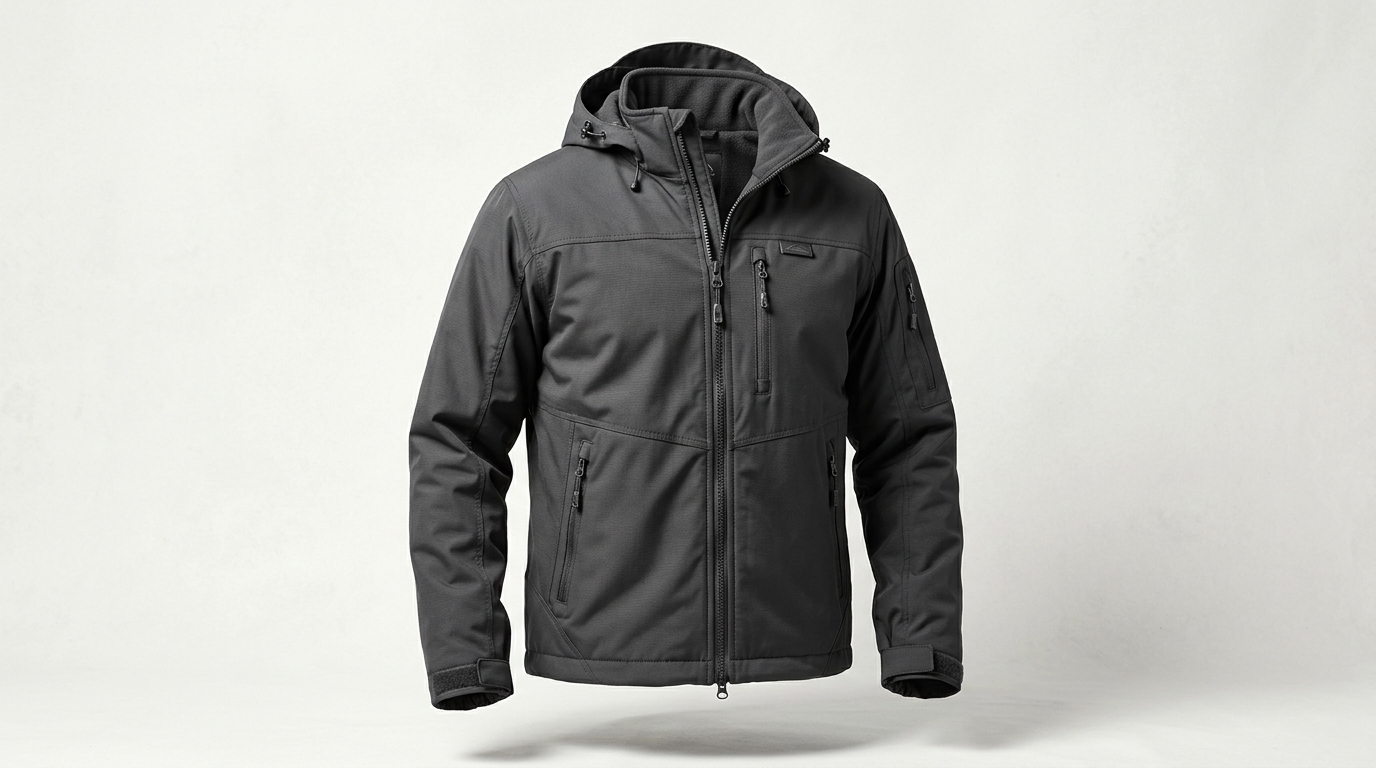
How Should Brands Evaluate Zipper Performance for High-End Outdoor Clothing?
November 17, 2026
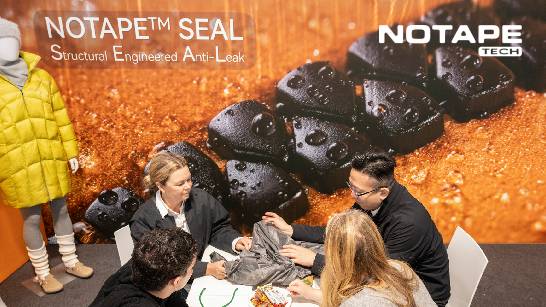
Notape pitches lighter repairable zippers
November 16, 2026
130 Years Later, Cars Were Reinvented by Electrification. What About the Zipper?
October 12, 2026
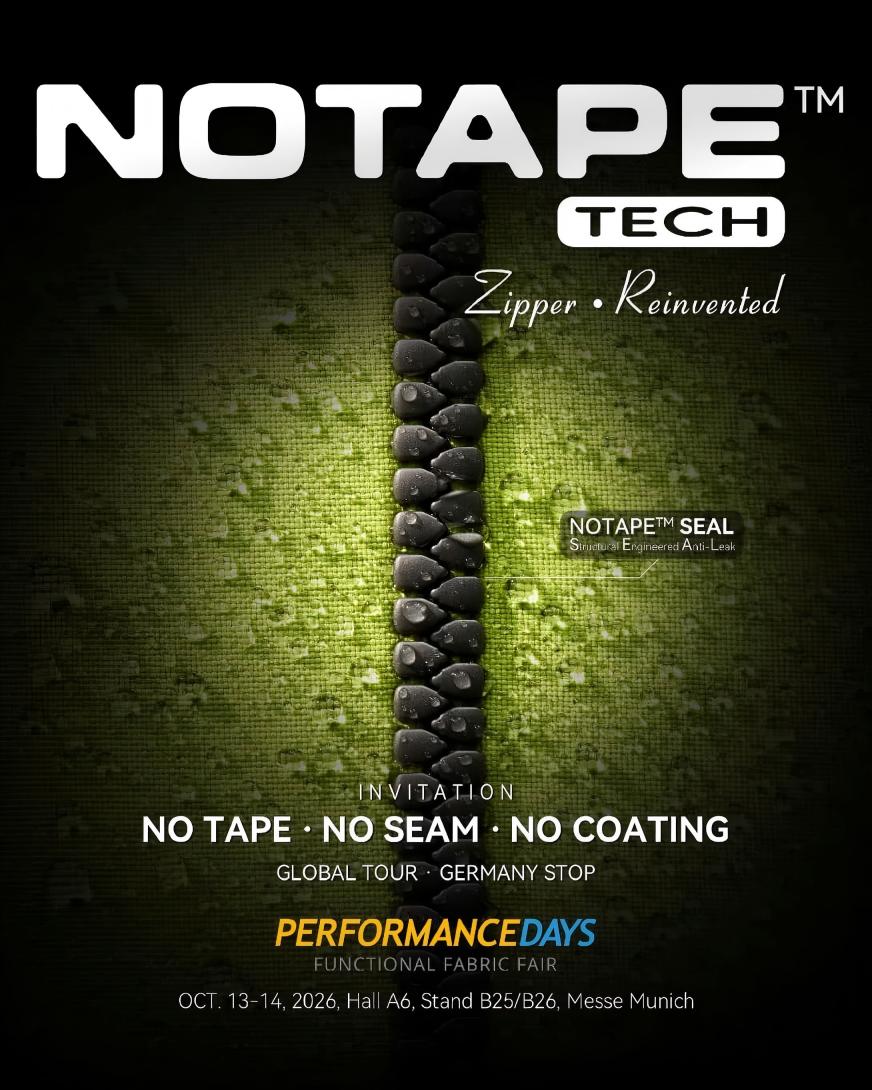
Waterproof Zipper without Coating Supplier | NOTAPE™ No Coating Zipper Technology
September 26, 2026
Best Zipper Solutions for Outdoor and Performance Apparel
Outdoor and performance apparel must work hard. It must protect people from the weather, move with the body, and still look good. Every part of the garment matters, and the zipper is one of the most important.
Today I want to talk about five features you should look for when purchasing an outer shell for hiking. I’ll also run through a couple of recommendations at the end, so stick around for that. So let’s get into it.
Five Features Behind the Best Zipper Solutions for Outdoor Shells
1. Waterproofing
First and foremost, your jacket should be waterproof, and it should have a hood. The purpose of an outer shell is to protect you from the elements. Now, how waterproof your jacket is will depend on where in the world you are hiking and what season you are hiking in. Personally, I look for a hydrostatic head rating of at least 10,000 mm, or if you are hiking somewhere very wet, something around 20,000 mm.
2. Breathability and Vents
Now, unfortunately, as soon as a jacket gets wet, it renders it pretty much unbreathable, as the water stops the membrane from allowing sweat to escape. Now, instead, you should look for a jacket that has pit vents. That way you can quickly and easily regulate your body temperature when you’re on the go, and you don’t have to take your jacket off.
3. Features and Functionality
I recommend getting a jacket that has adjustable cuffs alongside an adjustable hem. You also want the hood to be adjustable. That way it’s easier to protect you from the elements. I also like a jacket that has multiple pockets, so I can quickly and easily access small pieces of equipment. I also like my jacket to have a little bit of stretch. That way I’m not restricted in my movement, and it makes it easier when I’m tackling more technical terrain such as scrambles.
4. Fit and Weight
Your jacket needs to be big enough that you can wear a mid-layer underneath, be that a hoodie or an insulated puffer coat. You don’t want it so big, though, that it looks like you borrowed your dad’s coat. I also like my jacket to be relatively compact and quite lightweight. That way it doesn’t take up too much space in my bag when I am taking it off when I get a little bit too warm.
5. Color and Look
You ideally want a jacket that is brightly colored. This is because if something does go wrong, you can be quickly and easily spotted by members of the public or mountain rescue. Not only that, but you also stand out in photos. Finally, remember to pick a jacket that looks good, cuz when you look good you feel good, and when you feel good you hike good.

Why Traditional Zipper and Coating Solutions Fall Short
Most zippers are built on textile tape. The teeth sit on the tape, and the tape is sewn into the garment.
Coatings Wear Off
Two layers made of nylon, and it’s got a durable water repellent DWR coating that doesn’t have any harmful chemicals in it, but it will eventually rub off, and you will need to reapply it. Things like your backpack and friction with other surfaces mean that it slowly wears away, so you eventually will have to recoat this.
Heavy Rain Finds the Weak Points
Another thing to note is if you are hiking in torrential rain for long periods, no matter what jacket you have, it’s more than likely going to fail at some point. Either it’ll get wet, or you’ll get soaked from the condensation on the inside. Just the nature of how jackets are. And when it’s wet, it’s going to be humid. So if you are planning on being out in heavy downpours, you’re probably better off buying yourself a poncho. Really cheap, 10, 20 quid poncho, keeping it in the bottom of your bag and throwing it on over the top of yourself. It’s probably going to do a better job than most jackets out there.
What Good Outdoor Gear Looks Like in Practice
Now there are the things I recommend. I’m not going to claim they’re the best jackets out there, cuz there are literally thousands, but they’ve done a great job for me.
A Lightweight All-Rounder
Orange is a bit of a staple color for me. Stands out great to get spotted if you are in trouble. It’s done a great job. In terms of the hydrostatic head rating, I believe it’s somewhere between 10 and 15,000.
Four-way stretch is the one that I love the most. Just makes navigating and scrambling more technical terrain far, far more comfortable, more enjoyable, and safer. It’s got underarm pit vents, which I think are essential for maintaining breathability, adjustable cuffs, hem and hood, and it’s got three pockets, so two on the outside accessible when you’ve got a hip belt on, and it’s got one on the chest, so great for storing belongings. Very lightweight, 380 g, and packs down super small. So I take this out even in summer, even if it’s not raining, as it protects from both the wind and the rain.
A Heavier, More Waterproof Option
It’s got a hydrostatic head rating of 20,000 mm, so a lot more waterproof, but it is slightly heavier, so it’s 570 g. But it’s got some great features. Again, it’s got the underarm pit vents and three pockets. These ones are a bit higher, so again really good for access if you have got a hip belt on, and it’s got an internal chest pocket. Again, adjustable cuffs, hem, and hood. It’s also got an adjustable neck. Now this retails at a wallet-friendly £80, which I think is unbelievable value. Really, really great value, to the point I don’t think you need to get a better value jacket than that one.
Putting the Membrane on the Outside
Bit of a wild card, bit of a unique jacket, not for everyone’s taste. They put the membrane on the outside of the jacket rather than the inside, hence the taped seams, and what that means is the jacket won’t ever get wet. You see jackets change color when they get really wet. That will never happen with this. Instead of the water beading off, it just shakes it off, so incredibly, incredibly dry. The only thing it is lacking is pit vents, which I think is very strange, but boy, is that waterproof. Packs down really, really small. In fact, it’s got a pocket inside the pocket that you can pack it down into.
I’ve not worn it in a torrential downpour in the hills, but it absolutely bucketed it down for two days, and that jacket kept me super, super dry, to the point where it was shaking off and soaking my trousers, which were meant to be water resistant. They just got drenched cuz it was literally sliding off.
The Best NOTAPE™ Zipper Solutions for Outdoor and Performance Apparel
For outdoor and performance apparel, the standout solution is the NOTAPE™ SEAL Water-resistant Zipper. It is built on three ideas: No Tape, No Seam, No Coating.
Coil zippers are light and flexible. NOTAPE™ no-tape coil zippers remove the textile tape, creating a subtle, low-profile closure. They suit lightweight jackets and windbreakers where the zipper should blend into the design. Resin zippers have a more structured tooth look. NOTAPE™ no tape, no seam resin zippers remove both the tape and the usual seam.
Many outdoor and performance garments use nylon and polyester. This makes NOTAPE™ a strong match.
Choose the Best Zipper Solution
Sample testing is the best way to confirm the right solution for each product.
Contact NOTAPE™ to find the best zipper solution for your next outdoor or performance collection.
Share on Social:



Contact Us
In This Article
Related Posts
How Should Brands Evaluate Zipper Performance for High-End Outdoor Clothing?
November 17, 2026
Notape pitches lighter repairable zippers
November 16, 2026
130 Years Later, Cars Were Reinvented by Electrification. What About the Zipper?
October 12, 2026
Waterproof Zipper without Coating Supplier | NOTAPE™ No Coating Zipper Technology
September 26, 2026


