




Reducing Zipper Material Consumption: A Guide for Apparel Brands

Related Posts
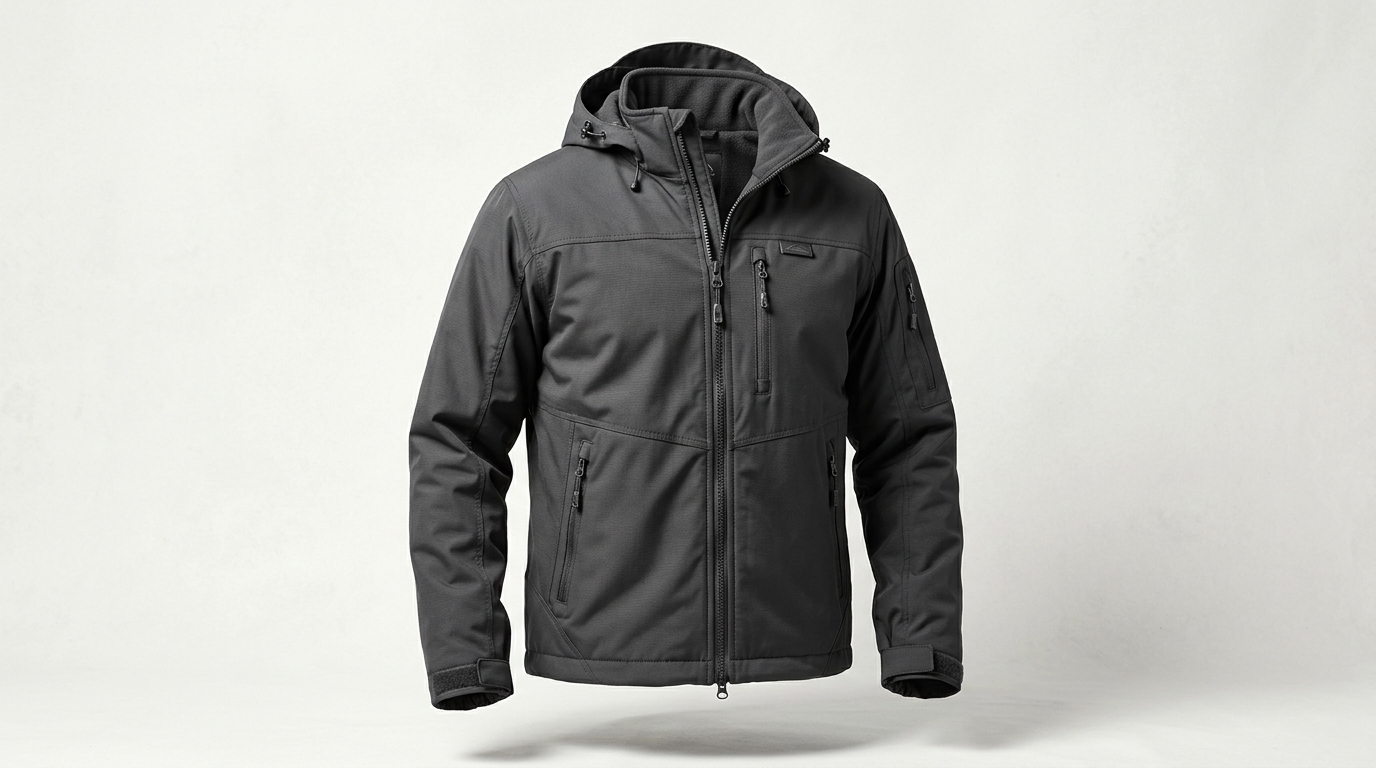
How Should Brands Evaluate Zipper Performance for High-End Outdoor Clothing?
November 17, 2026
Notape pitches lighter repairable zippers
November 16, 2026
130 Years Later, Cars Were Reinvented by Electrification. What About the Zipper?
October 12, 2026
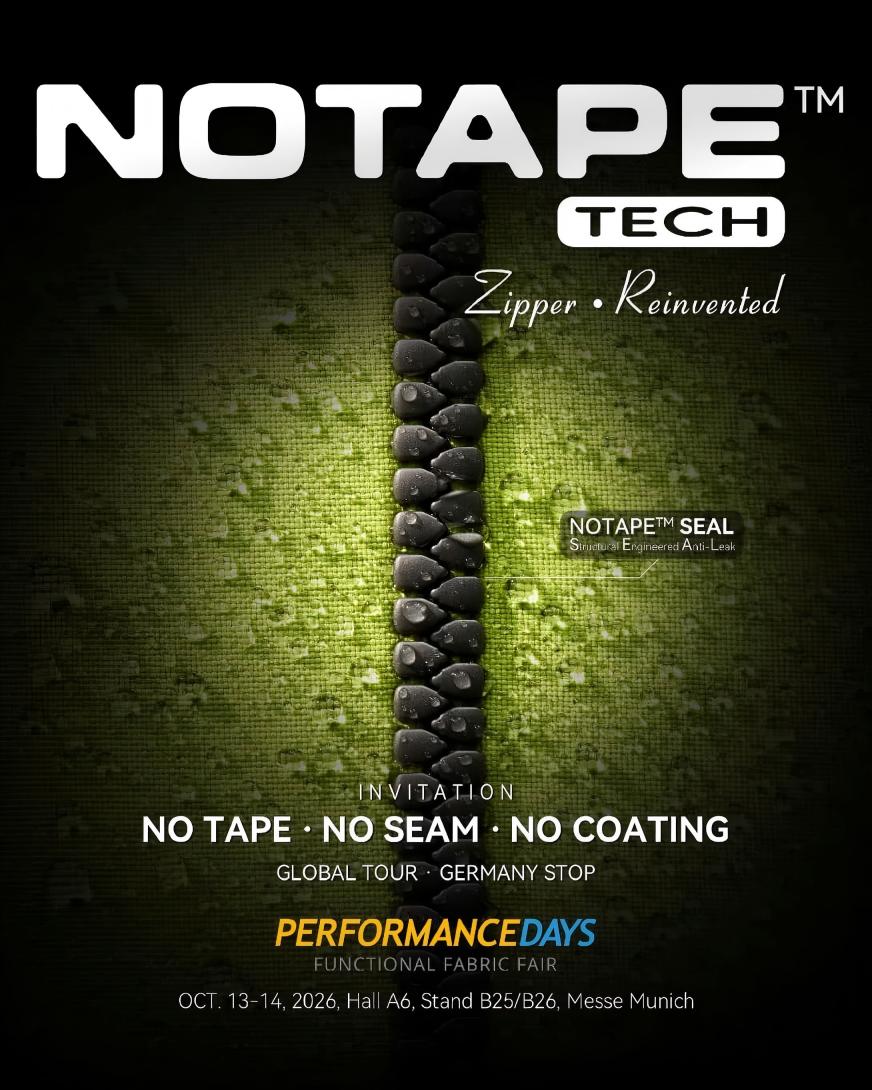
Waterproof Zipper without Coating Supplier | NOTAPE™ No Coating Zipper Technology
September 26, 2026
How Can Apparel Brands Reduce Zipper-Related Material Consumption?
Apparel brands are looking closely at the materials they use. Every fabric, trim, and component adds to the total material in a garment. Some parts are easy to overlook. The zipper is one of them.
Zippers can be found on clothing, on bags, even on footwear. The zipper started out as a newfangled closure mechanism for boots and tobacco pouches. The fashion industry didn’t put them on clothing until the 1930s, some 80 years after the invention of this fabulous fastener.
Why Zipper Material Adds Up
But zippers appear on many garments, often more than once. Over a full collection, the material in these closures adds up.
What a Zipper is Made of
Zipper teeth are made of either metal, plastic, or nylon. The fabric part of the zipper is called the tape. It’s usually polyester, but sometimes cotton or a fireproof fabric.
The Tape: Extra Material
This tape is extra material.
How a Metal Zipper is Made
The Teeth Machine
To make metal zippers, the factory feeds a long continuous roll of tape into what’s called the teeth machine, along with a long roll of metal ribbon known as flat wire. The machine cuts off a tiny piece of flat wire, forces it through a die that forms it into a tooth shape, then clamps it onto the edge of one side of the tape. The machine does all this at a rate of 45 teeth per second.
Choosing the Metal
These zipper teeth are aluminum. Sturdier zippers are made of stronger metals such as brass and nickel. Depending on the model, teeth can range in width from about 3 to 10 mm. The wider the teeth, the thicker they have to be.
Joining the Two Halves
Workers now feed two tapes with metal teeth into what’s called the joining machine. The teeth interlock, meshing the two halves of what’s now a continuous zipper.
Cleaning and Waxing
From there, it’s into a cleaning machine, which first washes the zipper, removing any shards of metal left behind by the tooth-cutting process. After drying the zipper, the machine applies a coat of hot wax. This lubricates the teeth so the slider will glide over them smoothly.
Gapping
Next stop is the gapping machine. It removes a 4 cm long section of teeth at regular intervals. They’ll later cut the tape at these gaps, dividing the continuous zipper into several shorter zippers.

Closed End and Open End Zippers
There are two main types of zippers. Closed-end zippers are the kind whose two halves don’t separate at the bottom when opened, purse zippers, for example. These need a part called a bottom stop, a thick piece of flat wire positioned at the base of the zipper. When you unzip, it stops the slider and prevents the two halves from separating.
Reinforcing Open End Zippers
Open end zippers are the kind whose two halves do separate at the bottom when opened, jacket zippers for instance. At the bottom of these zippers, a machine applies a clear reinforcement strip. This stiffens the tape so that the next machine can apply the pin and box. The pin is that vertical piece of metal on one half of the zipper that you have to align in the box on the other half before you can pull the slider to zip up.
Finishing the Zipper
Sliders and Top Stops
The next machine installs the slider. It opens each gap and hooks a slider onto the track of teeth. The next machine inserts what’s called the top stop, a thick piece of flat wire that stops the slider at the top of the track when you zip up all the way. The machine then slices the tape at each gap, separating the finished zippers.
How Plastic Zippers are Made
Plastic zippers are made quite differently than metal ones. The tape is the same, but the teeth are made from plastic pellets. A machine melts them, then injects the liquid plastic into a mold that’s the shape of a strip of zipper teeth. The mold cools almost instantly, hardening the plastic. The machine then stamps the teeth onto the tape, automatically gapping the desired zipper length. At the same time, the excess plastic in the middle is remelted.
Joining Plastic Zippers by Hand
There’s no joining machine to mesh the two halves of plastic zippers. Workers do this manually so that they can inspect the plastic teeth to make sure they’re well formed. Then automated machines install the remaining components.
The Most Direct Step: Remove the Zipper Tape
If the tape is the extra material, the most direct way to reduce it is to remove it. This is exactly what NOTAPE™ does. With NOTAPE™, the zipper is formed as one with the fabric using patented equipment, rather than traditional sewing methods.
Start Reducing Zipper Material with NOTAPE™
Contact NOTAPE™ to explore tape-free closures for your next collection.



Contact Us
In This Article
Related Posts
How Should Brands Evaluate Zipper Performance for High-End Outdoor Clothing?
November 17, 2026
Notape pitches lighter repairable zippers
November 16, 2026
130 Years Later, Cars Were Reinvented by Electrification. What About the Zipper?
October 12, 2026
Waterproof Zipper without Coating Supplier | NOTAPE™ No Coating Zipper Technology
September 26, 2026


