




NoTape Zipper FAQs: From Fabric Compatibility to Production

Related Posts
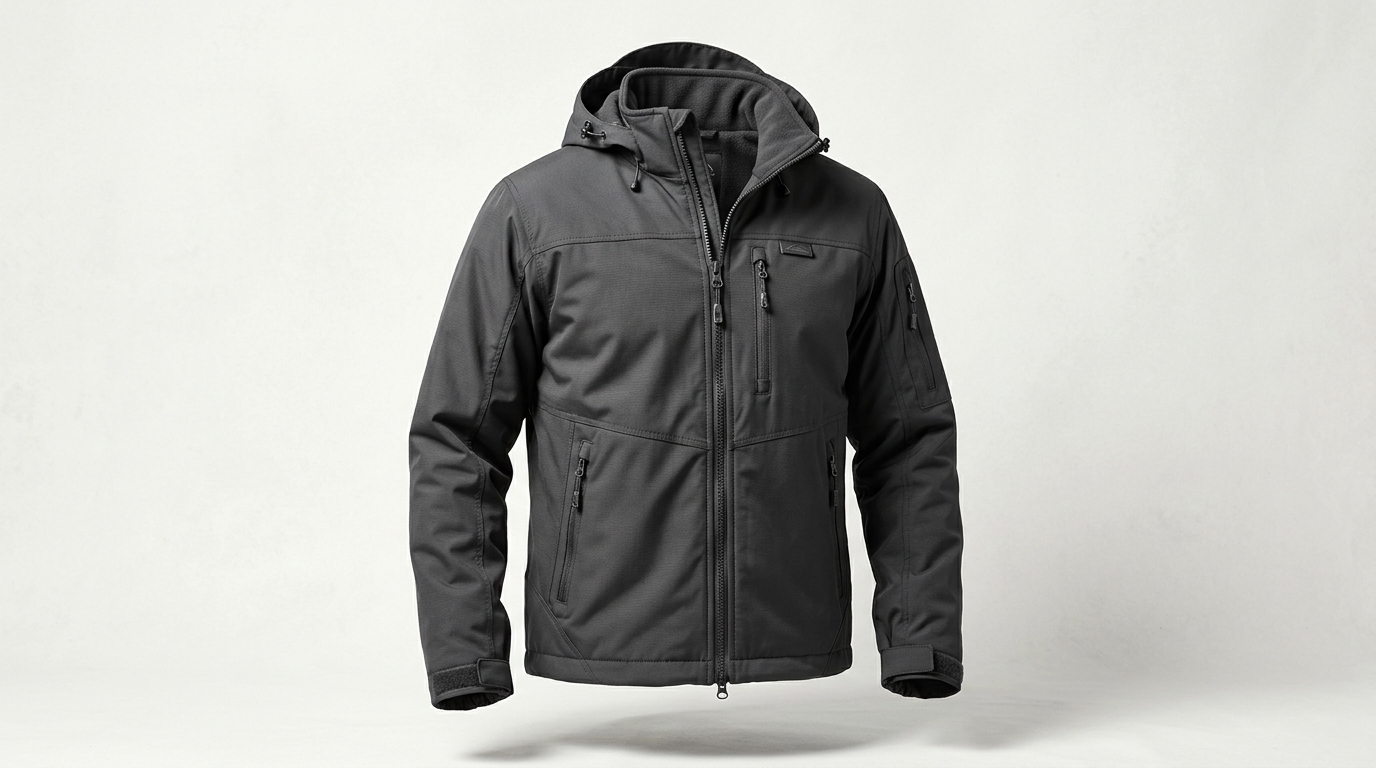
How Should Brands Evaluate Zipper Performance for High-End Outdoor Clothing?
November 17, 2026
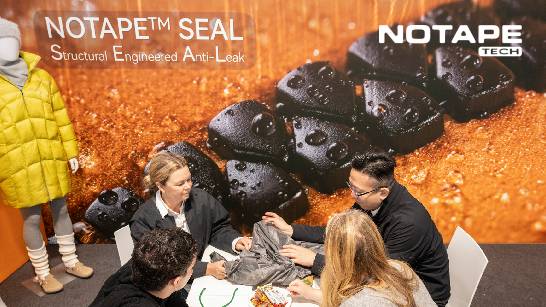
Notape pitches lighter repairable zippers
November 16, 2026
130 Years Later, Cars Were Reinvented by Electrification. What About the Zipper?
October 12, 2026
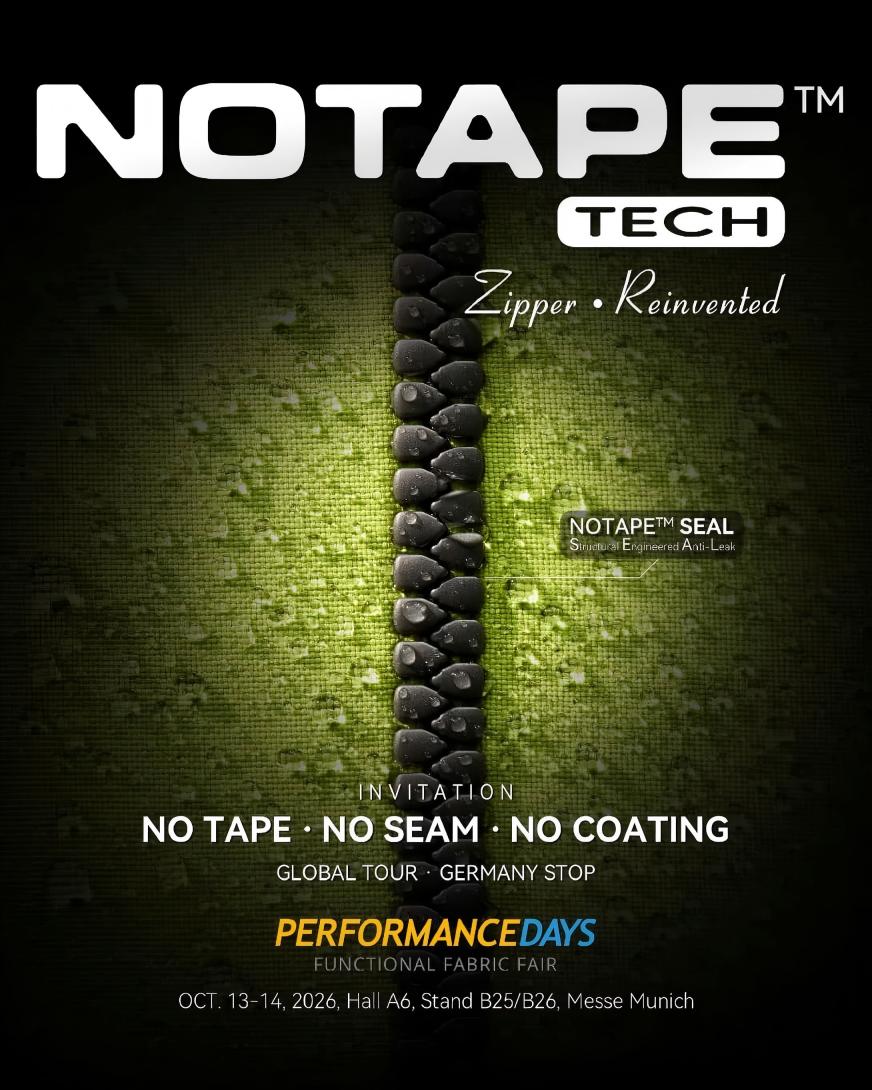
Waterproof Zipper without Coating Supplier | NOTAPE™ No Coating Zipper Technology
September 26, 2026
NoTape Zipper FAQ: Fabric Compatibility, Testing and Production
It is no secret that the quality of our clothes has been steadily declining drastically before our eyes, especially over the last 10 years with the rise of ultra-fast fashion that is practically made to be disposable. With the ubiquity of low-quality materials and cost-cutting manufacturing, both flooding the high street and the so-called high-end market, how can we tell just by looking at a new find whether it’ll be a wardrobe staple for the next 10-plus years or shed buttons after the second wash? This no-tape zipper FAQ looks at two primary categories when assessing quality: the construction, or how the clothes are put together, and the content, or the materials that make them up, because, unfortunately, even a well-skilled tailor would be hard-pressed to make a well-formed jacket out of cheap polyester crepe.
What is a NoTape Zipper and Why Does Construction Matter?
What is a NoTape Zipper?
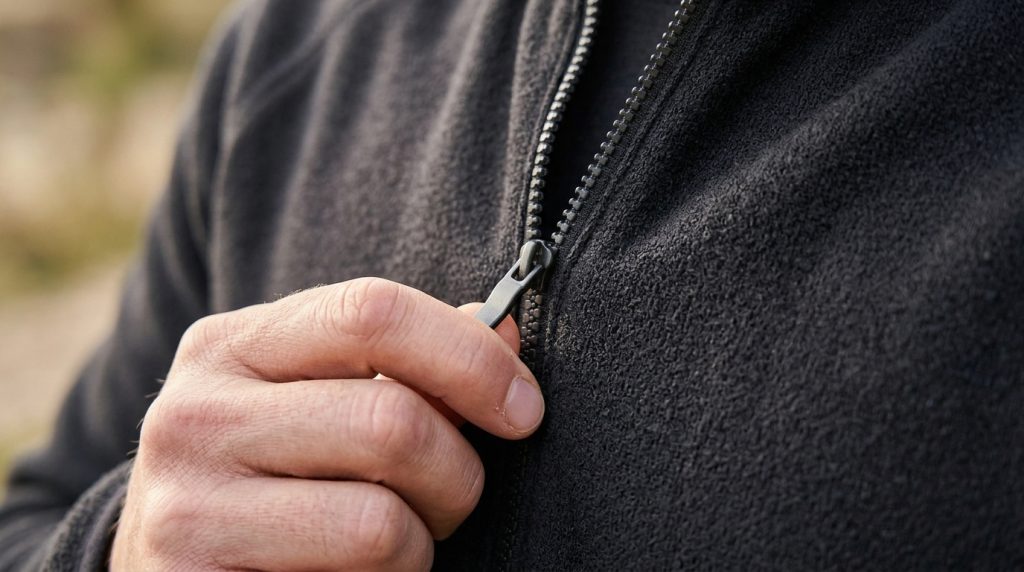
A no-tape zipper does not use textile tape as its base. The tape is removed, and the teeth integrate directly with the garment fabric, formed as one with the fabric using patented equipment.
Why Construction Matters
In the construction realm, we’re really going to be looking for indicators that time and effort were put into the making of the garments. Any indication that time-saving methods may have been favored at the expense of durability or that corners were sometimes literally cut entirely is going to be a huge red flag.
How a NoTape Zipper Compares with Invisible Zippers
One should also beware of invisible zips. They are fun and inconspicuous, but they are also plastic, and one of the weaker forms of zipper out there, especially if it’s on a tight-fitting garment. Be extremely cautious because that zip will be prone to sticking or splitting, and if you’re not prepared to either replace the zip yourself or take it to a repair shop, you’re probably going to lose access to the whole garment.
Generally, the wider the width across the closed teeth, the stronger the zip will be. Garments that take strain probably shouldn’t be closed with something less than six millimeters. Medium snug garments can get away with about four millimeters. Anything less should be worn very loose with very little pressure on the zip. NOTAPE™ coil zippers cannot be repaired, but the damage rate is extremely low.
Fabric Compatibility for a NoTape Zipper
Start with the Fiber Content
First and foremost, make sure that the fabric is appropriate for its purpose by examining the fiber content, and that it has the warmth, weight, or breathability that is most appropriate for the context in which the garment will be worn. A general rule of thumb is that cottons, linens, those really natural, light plant fibers, especially, are really great for warm weather, as well as looser weaves and cuts of garments. Wools and heavy silks, tightly woven fabrics, and tight fits are better for cooler weather.
Synthetics, like polyesters, viscoses, and acetates, can and often do look and feel really bad. Since polys are effectively made from plastic fibers, they do not breathe well at all, which is why they make you feel so sweaty, and they get stinky really, really fast. Keep natural fibers near the skin, and you can get away with wearing synthetics over top of the natural fibers. For a no-tape zipper, nylon and polyester, woven or knitted fabrics, and low-elastic fabrics are the most suitable, while other materials are still under development and testing.
Test the Weave
It’s also really important when assessing the materials to test the weave. Fabrics with lots of loose floats in the weave will catch and eventually snap, which can be very hard to fix without patching. Looser weaves are going to be more delicate and more prone to snagging and forming holes. Although not all loose weaves are bad. In fact, a lot of the time loose weaves are desirable for lighter weight garments, for diaphanous and flowy things.
The consistency of the weave is definitely something also to look out for, especially in linens. A really good quality linen will have as few irregularities as possible. This goes for any fabric really.
A Note on Wool
Scratchy wool is the coarser fiber on the outside of the sheep, and it’s perfectly fine to wear it on a jacket that’s meant to be worn over top of other clothes. Wool is such a good long-lasting textile. It’s anti-microbial, so it doesn’t stink as quickly, and the fewer washes we can put our garments through, the longer they will last.
Testing a NoTape Zipper: Stitches, Seams and Edges
Check Stitch Length
One telltale sign that a garment has been made too quickly is the length of the stitches that were used. This makes the sewing process faster, saving time and, therefore, a small amount of money in manufacturing, which also indicates a laser focus on profit. The longer stitches are also more prone to snagging and being cut, and fewer points of contact between fabric and fabric will ultimately mean a weaker seam.
A good way to test the strength of your seams is to hold it up to the light and pull each side apart. If you can see light coming through the seam, and your fabric, of course, isn’t sheer, you’ve got major structural problems. That is not a garment that is going to stand up to many washes and certainly not to any stress or strain.
Check Pattern Matching and Seam Allowances
Any lack of pattern matching is really going to be a huge indicator of extreme cost cutting in manufacture or just plain negligence and lack of quality control. It’s also really great to look out for healthy seam allowances. The more, the better. Oftentimes, manufacturers are not leaving a lot of room in the seam allowances because the closer you can cut the garments, the more material you can save, but it does not give you the option as the buyer to customize the garment fit as much as you’d like.
Be Wary of Serged Edges
Be wary of serged or overlocked edges. It is one of the weaker forms of edge finishing, and it contains lots of long float threads, which means it’s really easy to catch and to pull. The much more durable way to finish seams is either by binding, flat-felling, or French seaming.
Look for Loose Threads
One would think that you look at a garment and you know you probably shouldn’t see loose threads. Entire loops of thread scream lack of quality control, rushed manufacturing, lack of finishing, potentially weaker stitching. So definitely look on the inside, have a look at the seams and the threads, especially around the zipper and the buttons.
Sample Testing on Real Fabric
Sample testing is a key part of the process, as it shows how the zipper looks and performs on real fabric and garments. Designers, product developers, production teams, and quality teams should all review the samples.
Production Planning for a NoTape Zipper
Linings Show Attention Paid
Not all garments need to be lined. Lightweight dresses and blouses can be weighed down by an extra layer, which actually might not be desirable. But a lining is definitely a sign of attention paid if it is there. And especially when it comes to tailoring, jackets, coats, suits, lining is essential to hide all of the structural shaping. A jacket without a lining, where you’re free to see the lack of structure inside, is definitely bad news.
Price Does Not Equal Quality
It’s important to recognize that there are tiers of clothing, and affordability does not necessarily correlate with quality. You can also get designer things in which you’re paying a lot of money, but you’re paying for the brand recognition, not necessarily the quality or the amount of time or labor that’s gone into the garment. That’s the TLDR: price does not equal quality. Start with one hero product, such as a lightweight jacket or windbreaker.
Sustainability and Longevity
It is inherently unsustainable to be producing items that are going to fall apart prematurely. It’s pretty shameful for brands to be prioritizing profit over longevity. The poor quality indicators are just indications of a garment’s weak points, and it effectively transfers the labor costs skimped on by the brand onto the buyer.
Still Have Questions About a NoTape Zipper?
Every project is different. Contact NOTAPE™ to discuss fabric compatibility, testing, and production for your next collection.



Contact Us
In This Article
Related Posts
How Should Brands Evaluate Zipper Performance for High-End Outdoor Clothing?
November 17, 2026
Notape pitches lighter repairable zippers
November 16, 2026
130 Years Later, Cars Were Reinvented by Electrification. What About the Zipper?
October 12, 2026
Waterproof Zipper without Coating Supplier | NOTAPE™ No Coating Zipper Technology
September 26, 2026


