




How NOTAPE™ is Redefining Zipper Technology with Patented Innovation

Related Posts
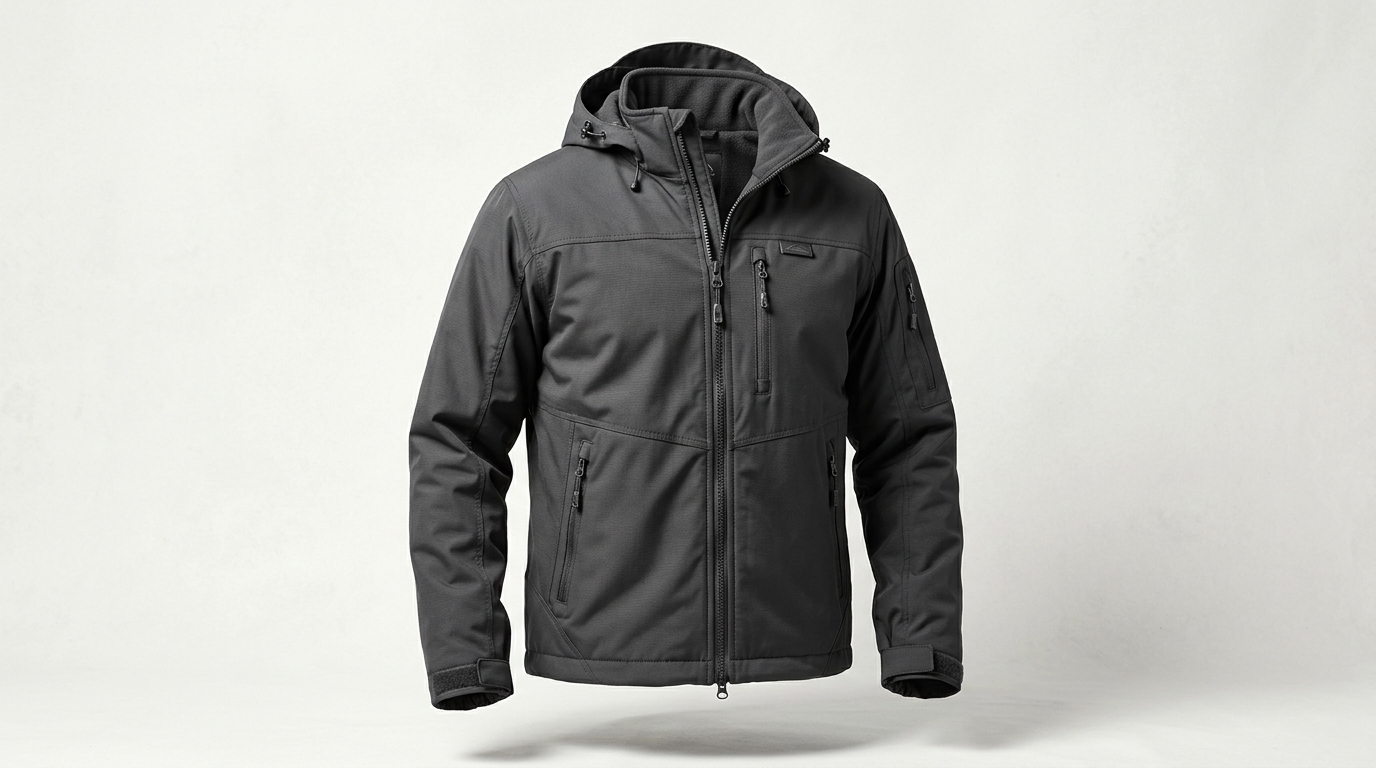
How Should Brands Evaluate Zipper Performance for High-End Outdoor Clothing?
November 17, 2026
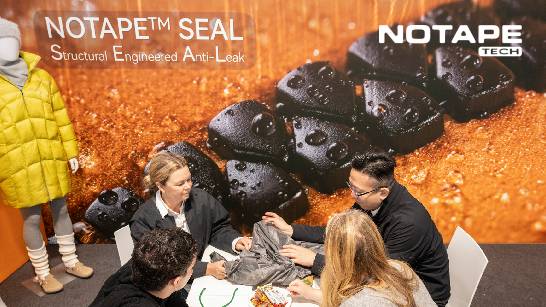
Notape pitches lighter repairable zippers
November 16, 2026
130 Years Later, Cars Were Reinvented by Electrification. What About the Zipper?
October 12, 2026
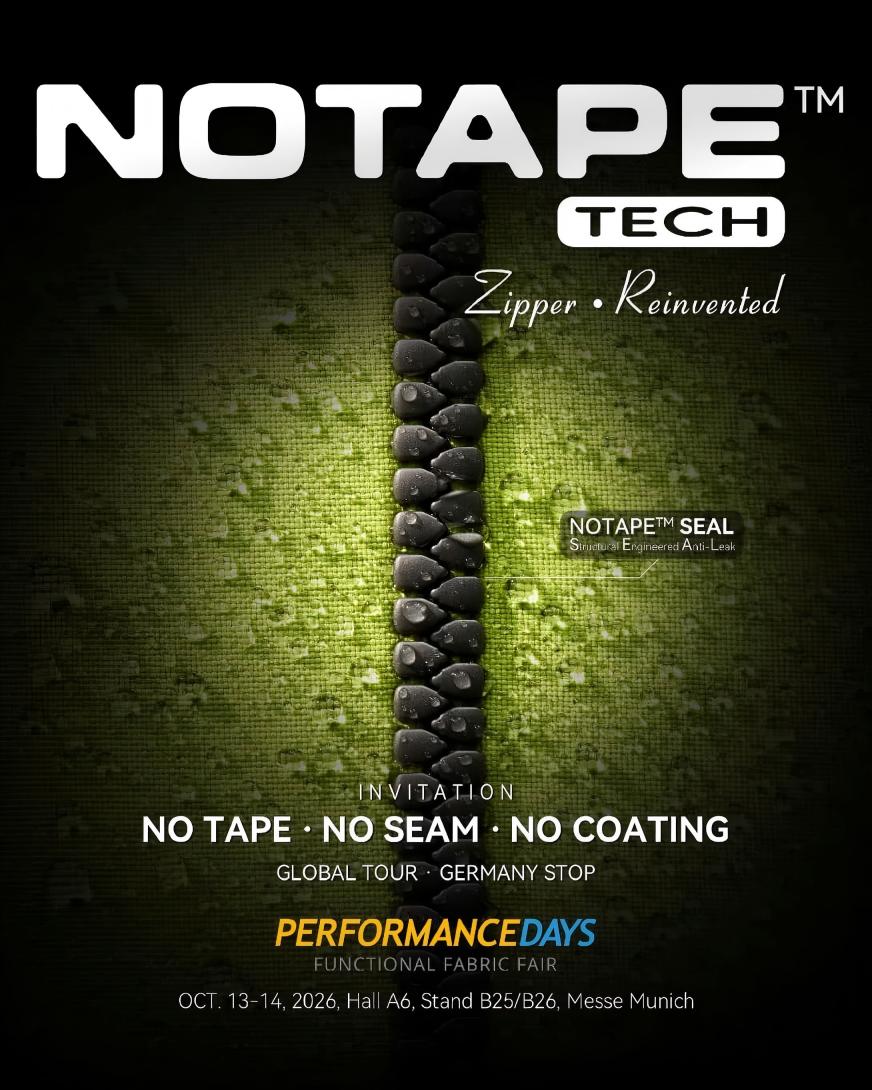
Waterproof Zipper without Coating Supplier | NOTAPE™ No Coating Zipper Technology
September 26, 2026
Patented Zipper Innovations: How NOTAPE™ is Redefining the Zipper
Real innovation in zippers is rare. Most changes are small, like new colors, new pullers, or slightly different teeth. The basic structure, with teeth on textile tape sewn into a garment, has stayed the same for a long time.
There are so few examples of that happening within the fashion world. NOTAPE™ has changed that with patented zipper innovations.
What a Patent Really Means
Lay people, social media artists, creatives, designers, just people who are non-lawyers, who are referred to as lay people, use the word patent as synonymous with protection. And though that is true to an extent, to a degree, a patent is a particular and very specific type of protection that doesn’t apply to a lot of situations out there.
They might not ever even enter into a venture where they would have to use these words correctly. There are a couple of things that I want the general public and entrepreneurs to know when it comes to patent law.
A patent protects an invention. It shows that a method or product is new and original.
Patenting is Very Special
Patenting is very special, and a lot of companies, business professionals, and young entrepreneurs may never actually patent anything within their business. It is so special in fact that to be a patent attorney, some of the people that are making really some of the big bucks within intellectual property in the entertainment field, you are required to have a science and engineering background. You need that science and engineering background in order to file for a patent for a client, and it’s also required that they take an additional bar exam. So not only do they have to take the bar exam that all lawyers have to take in order to practice, but they have to take a patent bar exam.
It costs a lot of money to patent things, and it costs a lot of money to hire a lawyer because, let me tell you now, a patent is not something that you can file on your own. You’re going to want a patent attorney to help you file a claim. It is such a technical process.
It’s rarely recommended for you to do something like this yourself. Yes, you may have the science and engineering background, but a patent lawyer can really help you figure out if you’re thinking too broadly or too narrowly about your claim.
The Three Types of Patents
Patent law is divided into three different types of patents. There are utility patents, design patents, and plant patents, which are for new species of plants.
Utility Patents
A utility patent refers to the protection of new and useful processes, machines, manufactures, or compositions of matter or any new and useful improvements thereof. The invention must be new, useful, and non-obvious. And again, these terms can be broken down into specific definitions, but for the purposes of this article we’ll leave it as new, useful, and non-obvious. Utility patents last for 20 years from the date of filing, and they refer to what you typically think a patent is: an invention. So it’s possibly everywhere around you right now in your house. It could be your dishwasher; it can be your microwave; it can be your water cooler, your cell phone, your camera lens.
They are technology-based. They’re machines, and they can possibly have a unique component that was not thought of in a previous design and can obtain patent registration.
Utility Patents in Fashion
So expanding on that topic, a fashion designer will actually obtain a utility patent when there is a new and useful invention or a new and useful and non-obvious machine, method, or process invention. Although fashion industry utility patents aren’t as common as in other industries, sometimes inventions do happen, and inventors will get utility patents. Some examples of this are a collapsible shoe, a wrinkle-free garment, a handbag with an interchangeable liner, something that’s anti-sweat, maybe a 3D processing machine.
It has to be new, useful, and non-obvious in order to receive a utility patent.
Design Patents
Design patents, on the other hand, are a lot more common within the fashion industry, and they are all about protecting unique ornamental appearances, aesthetic features of your item, of your invention. Design patents refer to the ornamentality of an object, and this is where it can kind of get a little bit blurry with copyright law because copyrights also protect ornamentality as well.
Just from industry standards, it is easier to obtain a design patent than it is to obtain a utility patent, but they both still take a very long time to receive.
So design patents make sense if you are designing handbags, shoes and footwear, jewelry, hair accessories, home decoration slash decorative accessories.
Why Design Patents are Hard in Fashion
Firstly, patents cost money. Design patents have generally not been pursued within the fashion industry because they are often prohibitively expensive. They can cost anywhere between six thousand and ten thousand dollars, and a lot of young artists and entrepreneurs do not have that money on hand, as you can imagine, and a lot of big designers do not find that filing for a design patent is worth the hassle.
It often takes the patent office 20 months to approve or deny a design patent application, and that is simply too slow in the fashion industry where trends tend to move fairly quickly. Oftentimes the design that’s sought to be patented is already out of fashion by the time that the patent office issues a design patent. The patent office does offer an expedited means of obtaining a design patent, but even then that’s 10 to 12 months to get a design patent approved.
By that time, the designer is already four seasons ahead, four to five seasons ahead. The designer is already far ahead, and they may no longer have interest in that design patent. So a lot of times that’s why fashion designers do not find that a design patent is worth the hassle, nor is it worth the money.
And the way that you have to describe a design patent is so specific. You have to be careful to make sure that you put the right height or width measurements. You want to make sure that you’re creating or specifying elements that do not serve any function. So it’s all about describing the aesthetic value of the product.
NOTAPE™: A Global First in Patented Zipper Technology
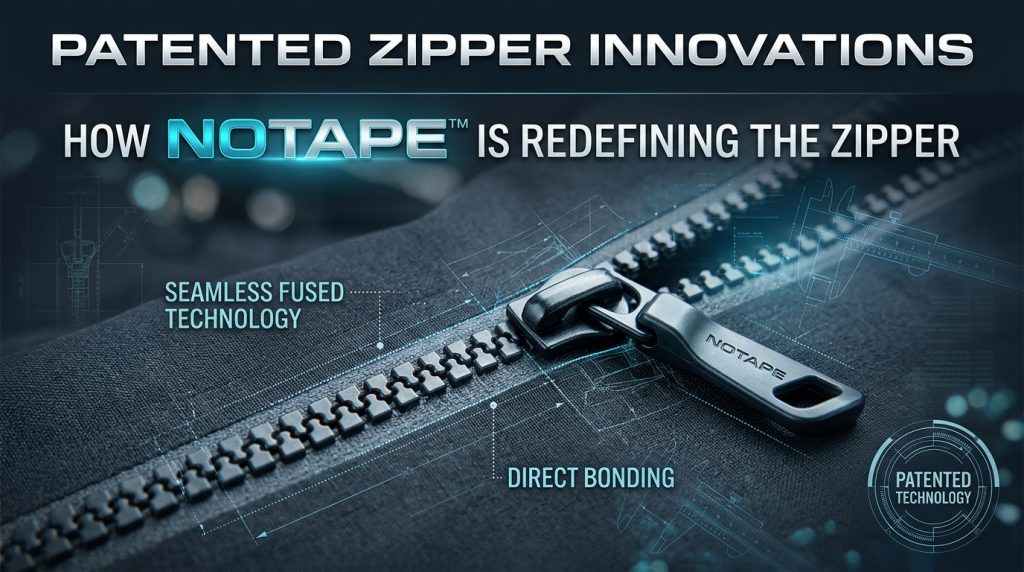
NOTAPE™ is a global first. It features proprietary, patented technologies for no-tape coil zippers and no-tape, no-seam resin zippers. The zipper is formed as one with the fabric using patented equipment, rather than traditional sewing methods.
Innovation 1: Removing the Zipper Tape
The first and most important innovation is removing the textile tape entirely. With NOTAPE™, the zipper teeth integrate directly with the garment fabric.
Innovation 2: Water Resistance without Coating
NOTAPE™ SEAL Water-resistant Zipper is built on No Tape, No Seam, No Coating.
Because the technology is patented, information is shared with care. Certain process-related technical materials may be gradually shared with clients.
Lead with Patented Zipper Innovation
So the next time someone tells you that you should patent something, be aware that patent law may not be where you’re heading. It’s a lot of money, but a lot of things do not apply to patent law. You may have better luck with trademark law or maybe copyright law.
NOTAPE™ comes at a premium because true innovation is rare. Contact NOTAPE™ to bring patented zipper innovation to your next collection.



Contact Us
In This Article
Related Posts
How Should Brands Evaluate Zipper Performance for High-End Outdoor Clothing?
November 17, 2026
Notape pitches lighter repairable zippers
November 16, 2026
130 Years Later, Cars Were Reinvented by Electrification. What About the Zipper?
October 12, 2026
Waterproof Zipper without Coating Supplier | NOTAPE™ No Coating Zipper Technology
September 26, 2026


