




Choosing Water-Resistant Zippers: A Guide for Outdoor Brands

Related Posts
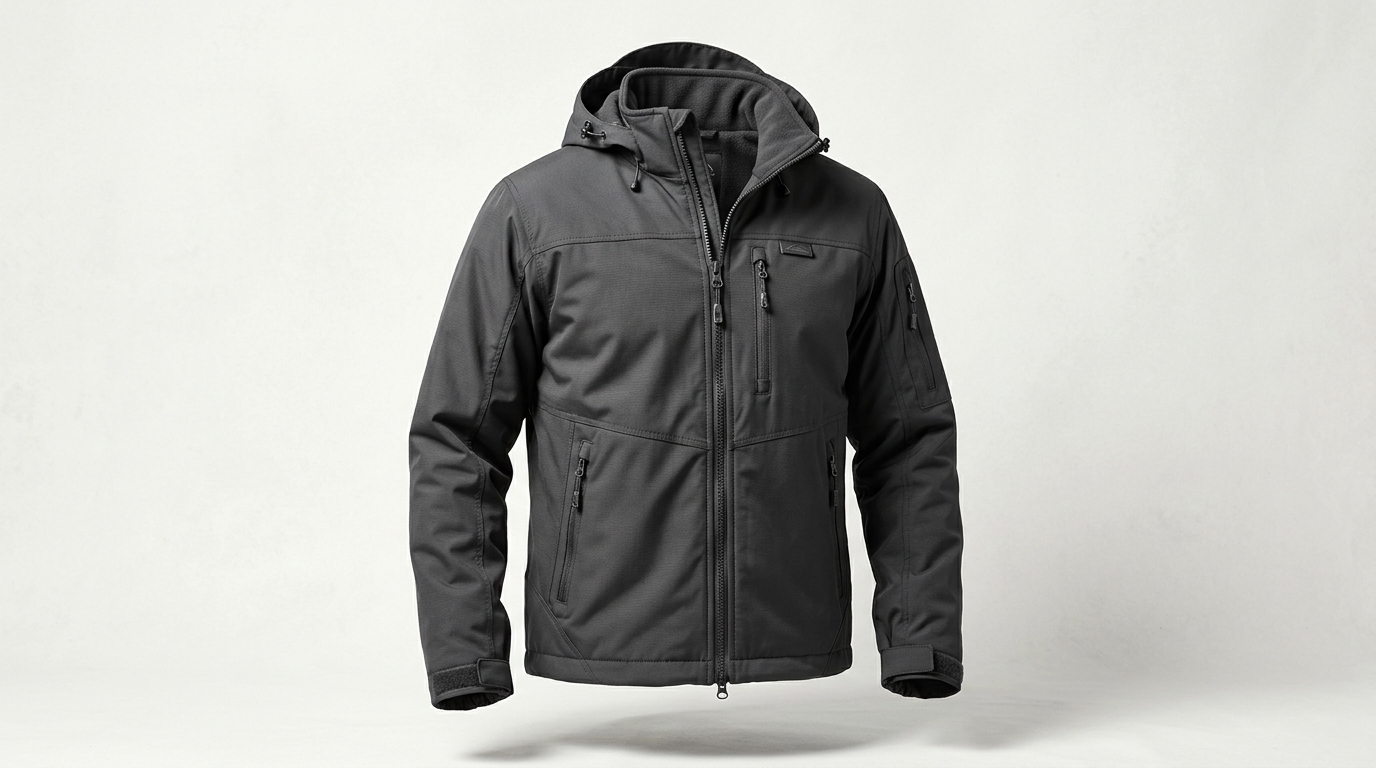
How Should Brands Evaluate Zipper Performance for High-End Outdoor Clothing?
November 17, 2026
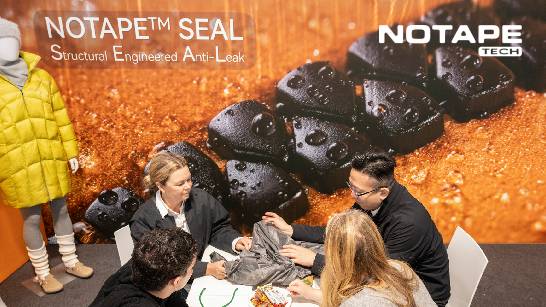
Notape pitches lighter repairable zippers
November 16, 2026
130 Years Later, Cars Were Reinvented by Electrification. What About the Zipper?
October 12, 2026
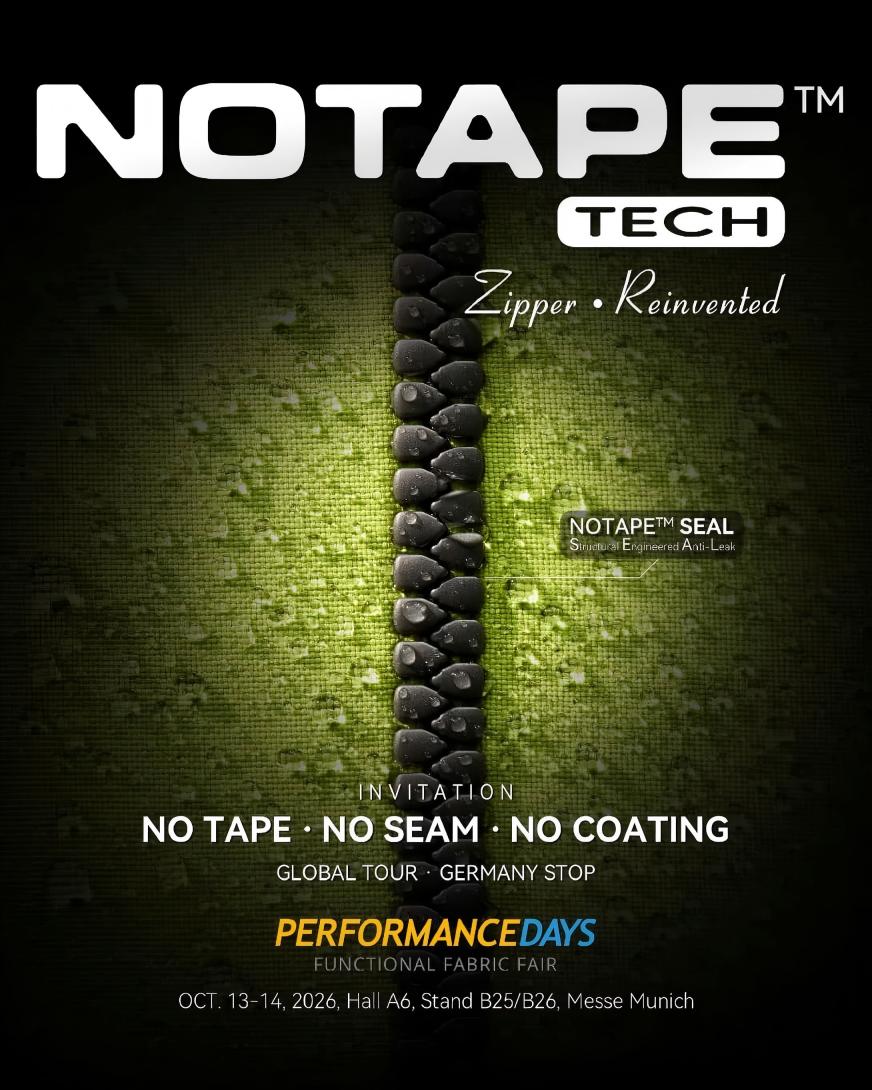
Waterproof Zipper without Coating Supplier | NOTAPE™ No Coating Zipper Technology
September 26, 2026
What Should Outdoor Apparel Brands Consider When Selecting Water-Resistant Zippers?
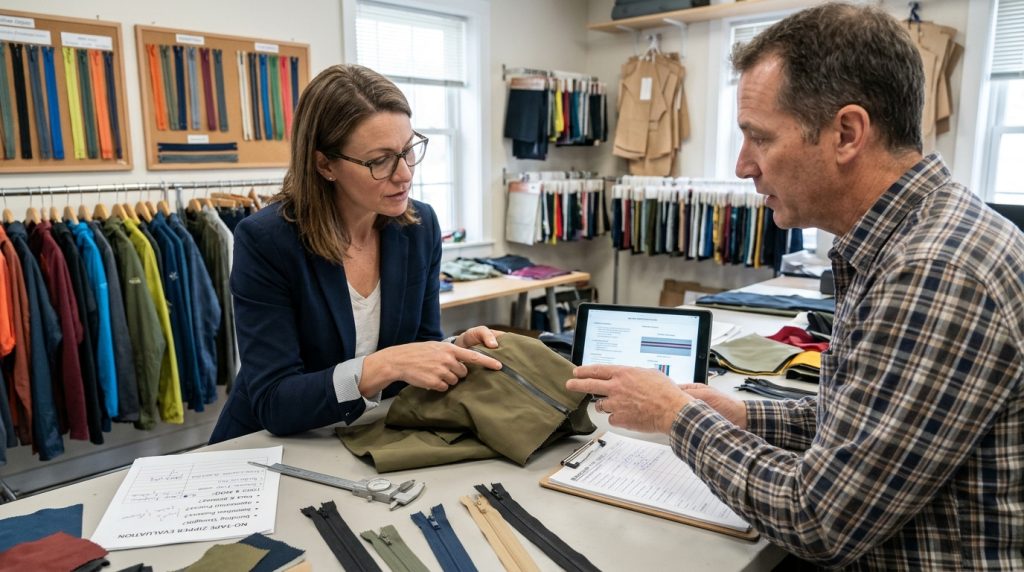
Choosing a water-resistant zipper is one of the most important decisions in outdoor apparel design. The zipper affects protection, comfort, look, and brand value. A poor choice can weaken an otherwise great jacket.
We’re here to talk about Water-Resistant Zippers. Today we’re going to be looking at a whole bunch of different stuff: what waterproof means, what water resistant means, the different types of fabrics, and like how that all plays into keeping you dry.
Waterproof Vs Water Resistant
So what’s the difference between waterproof and water resistant? Waterproof means it’s fully impermeable to water. That means it’s something like a trash bag, like nothing do to this will let water through. Water resistant is anything that is going to be mostly waterproof, but when it gets too wet, it might soak through, things like a soft shell or like a waxed jacket.
When to Choose Water Resistant
When would I want to get a water-resistant over a waterproof? The big thing comes down to what you’re using your equipment for. If you’re going to be bike commuting, if you’re going to be going for a hike, for skiing or ski touring, water-resistant jackets are really good for when you’re going to be moving a lot, or when the weather is going to be maybe foggy or snowy or something like that, where like you don’t necessarily need to stay dry, uh, but you’re going to want to be like evaporating that sweat that you’re producing out of your body.
Usually, water-resistant is also a little bit better when it’s going to be a little bit warmer outside too, like if it’s the summer and it’s going to rain a little bit. You don’t necessarily care about getting wet too much, uh, but you want a little bit of protection.
When to Choose Waterproof
If it’s really cold and it’s going to be soaking wet, like if you’re biking to work in December. I don’t want to be at work all day with wet socks and wet jackets, so waterproof in those sorts of zones would be better.
What Provides the Water Resistance in a Zipper?
Brands should understand how a zipper achieves water resistance. Some closures rely on added layers or coatings. NOTAPE™ SEAL Water-resistant Zipper is described as No Tape, No Seam, No Coating.
Two-Layer Vs Three-Layer Fabrics
The layers of the jacket basically refer to how many pieces of fabric are stuck together to make the jacket or the pants or whatnot. The three layers are normally the shell, or the outside of the fabric. It looks nice; it’s durable.
Two-Layer Jackets
So this is a two-layer jacket, so there’s nothing protecting the inside of the jacket from abrasion or wear, which can cause problems down the road, but it saves a lot of weight, uh, and it saves a lot of money.
Three-Layer Jackets
And then a three-layer jacket will have the same two layers as we were looking at earlier, except that they add a softer, more durable, nicer-to-the-touch, nicer-on-the-skin layer on the inside. It’s a little bit less like you’re wearing a plastic bag. It’s a little bit heavier, it’s a little bit more bulky, but it lasts longer, um, and it feels better against bare skin.
Which One is Best?
Three-layer jackets are typically considered the best quality, but that’s not always the case; it just depends on what you’re using. I normally go for a two-layer jacket personally, just to save some weight. Um, I do a lot of like lightweight backpacking, mountaineering, that kind of stuff, where every ounce counts for me.
Weight and Bulk at the Zipper
Outdoor customers often want light gear. Extra bulk along the zipper can make a jacket feel heavier and less refined.
Seams: Where Water Gets In
On the seams of the jacket, you’ll see some tape, or sometimes it’ll be a glue mark, and that just basically helps keep the jacket waterproof where the stitching was. So on the outside of the jacket, there are some stitches where the needle and thread of the sewing machine went through the jacket, and those poke little holes through the fabric, and anywhere there’s a hole, there’s going to be water coming through.
Partially Taped Seams
And there are jackets that are partially seam taped, um, which will only do, like, the zippers on the front, at the shoulders, in the hood, but then leave, like, the underarms, um, untaped, just to allow some ventilation, to give you a little bit more breathability.
Understand the Zipper’s Structure
Start by asking how the zipper is built. Most zippers use textile tape as the base. The teeth sit on the tape, and the tape is sewn into the garment. NOTAPE™ takes a different approach. The zipper is formed as one with the fabric using patented equipment, rather than traditional sewing methods.
Waterproofing Vs Breathability
This guy, made out of rubber, this one’s going to be waterproof, and I noticed there’s no like stitching or anything there. It’s all glued together. It keeps the water out ’cause it’s glued together, but very much not breathable. There’s no membrane. There’s going to be like all that sweat inside the Water-Resistant Zippers. So if you want to stay dry, uh, it’ll keep you the driest from the outside, but maybe not from the inside.
Consider Drape and Movement
Outdoor jackets must move with the body.
Reading Waterproof Ratings
A lot of these Water-Resistant Zippers are measured in what’s called a K rating. You might see that on snowwear. Um, usually it’s like 15K or 10K waterproof. That’s how much water can sit on its surface, um, and it’s measured in milliliters. So the higher that number, the better the breathability and the better the waterproofing.
Match the Zipper to Your Fabric
Not every zipper suits every fabric. Brands should check fabric compatibility early.
How to Tell if Gear is Still Waterproof
Delamination
Really big tell if the jacket is not waterproof, if you looking on the inside, you’ll see this layer, uh, start to peel away. And when it starts peeling apart, it’s called delamination. Generally, if anything’s delaminating, it’s a pretty good sign that it’s not going to be waterproof anymore. Uh, one, that layer is probably worn out, and two, the glues and adhesives that were used are definitely going to be old.
High-Wear Zones
The places you’ll see that kind of stuff wear away are the necks, the armpits, things that are really, areas that are really sweatier, see a lot of motion.
Caring for Rainwear
It feels counterintuitive, um, but you do need to, like, wash and dry your rainwear. Um, most of the time these kinds of things wear out, and so adding that waterproofing layer and making sure that fabric is clean will help, uh, keep the jacket lasting longer.
Make a Smarter Water-Resistant Zipper Choice
Contact NOTAPE™ to discuss NOTAPE™ SEAL for your next outdoor collection.



Contact Us
In This Article
Related Posts
How Should Brands Evaluate Zipper Performance for High-End Outdoor Clothing?
November 17, 2026
Notape pitches lighter repairable zippers
November 16, 2026
130 Years Later, Cars Were Reinvented by Electrification. What About the Zipper?
October 12, 2026
Waterproof Zipper without Coating Supplier | NOTAPE™ No Coating Zipper Technology
September 26, 2026


