




Can Removing Zipper Tape Make Garments Lighter and More Flexible?

Related Posts
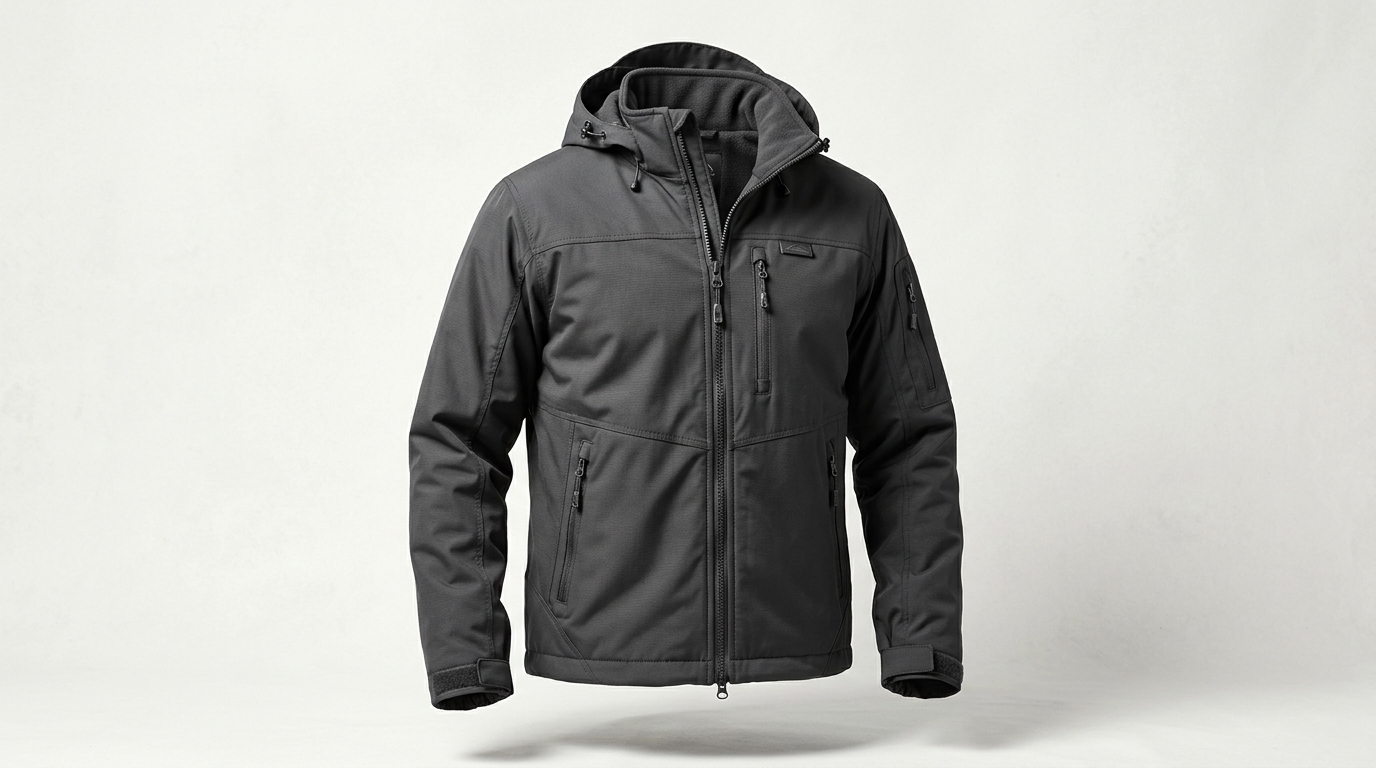
How Should Brands Evaluate Zipper Performance for High-End Outdoor Clothing?
November 17, 2026
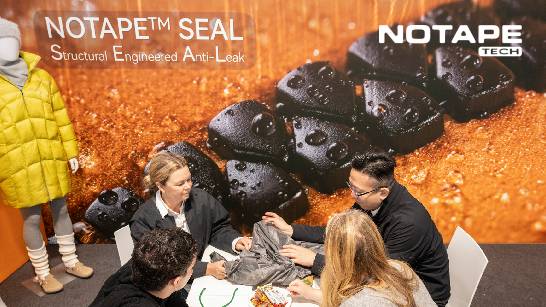
Notape pitches lighter repairable zippers
November 16, 2026
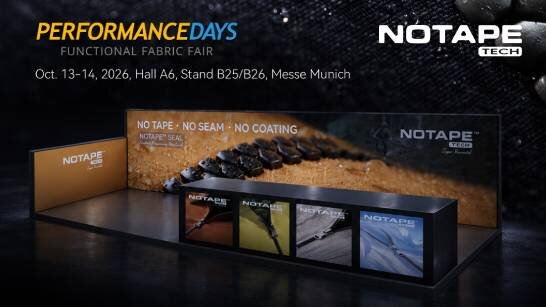
130 Years Later, Cars Were Reinvented by Electrification. What About the Zipper?
October 12, 2026
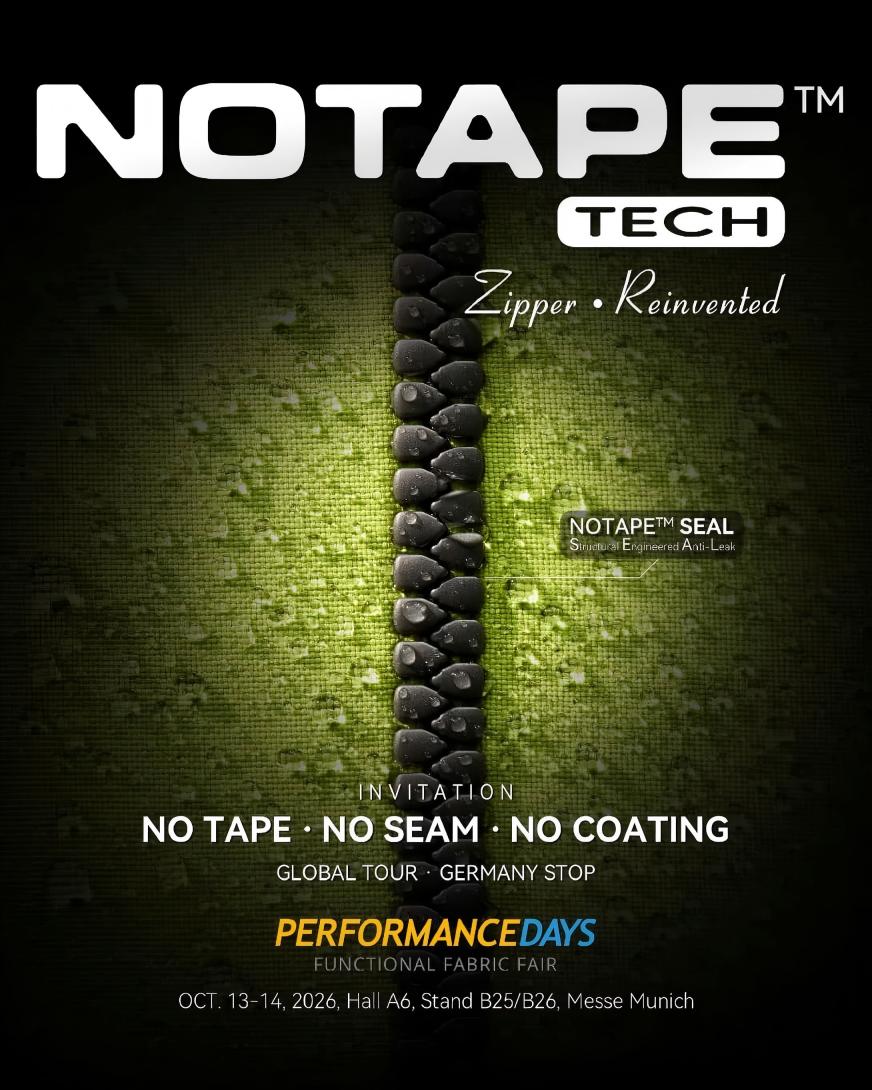
Waterproof Zipper without Coating Supplier | NOTAPE™ No Coating Zipper Technology
September 26, 2026
How Does Removing Zipper Tape Affect Garment Weight and Flexibility?
Weight and flexibility are two of the most important qualities in modern apparel. Customers want garments that feel light and move easily.
How a Traditional Jacket Zipper is Built
A traditional zipper is built on textile tape. The zipper teeth sit on two strips of tape. These strips are sewn into the garment along the opening.
Now there are a couple of tricks for fixing a zipper, and in this case, I do need to replace the zipper. Now we can buy two different types of zippers. You can buy metal zippers, and you can buy nylon zippers. What you’re looking for is a jacket zipper or a parka zipper. We need that zipper that’s going to separate in the bottom.
Replacing a Zipper on a Jacket
The Straightforward Side
On one side of the jacket, I’m going to be able to open up the seam and place that zipper right inside, and just top stitch that right over the place where the old one came out. The first thing I want to do is just remove that top stitching on both sides so it opens up, and I can just slide that in and replace it. When we get to the top, I like to fold that to the back so that it’s nice and clean, and just slide that zipper right in place and pin. And as much as I don’t like basting, this is one time that I think it’s important that we baste that zipper in.
The Difficult Side
The second side, the snaps are actually stuck into that zipper, so when you look at where that zipper would go, you can see I’m going to have the snaps that will be in the way. If I were to take out this stitching, I’m going to have to trim all the way around these snaps, so instead of doing that, I’m going to trim this zipper right off. I’m going to be able to go in and remove any of those loose fibers and give that zipper a good trim, as close as I can without cutting that fabric.
Layering the New Zipper on Top
I’m going to be able to put that next zipper right over top. I’m not going to try to put it into the seam, and I’m going to put it right along that edge. I’m going to take that zipper and pull it right to the back, and in this case it’s just going to get tucked inside. I’m going to put a pin just to hold that zipper in place, and then I’m going to do that row of basting to hold it in place.
How Zipper Tape Adds Weight
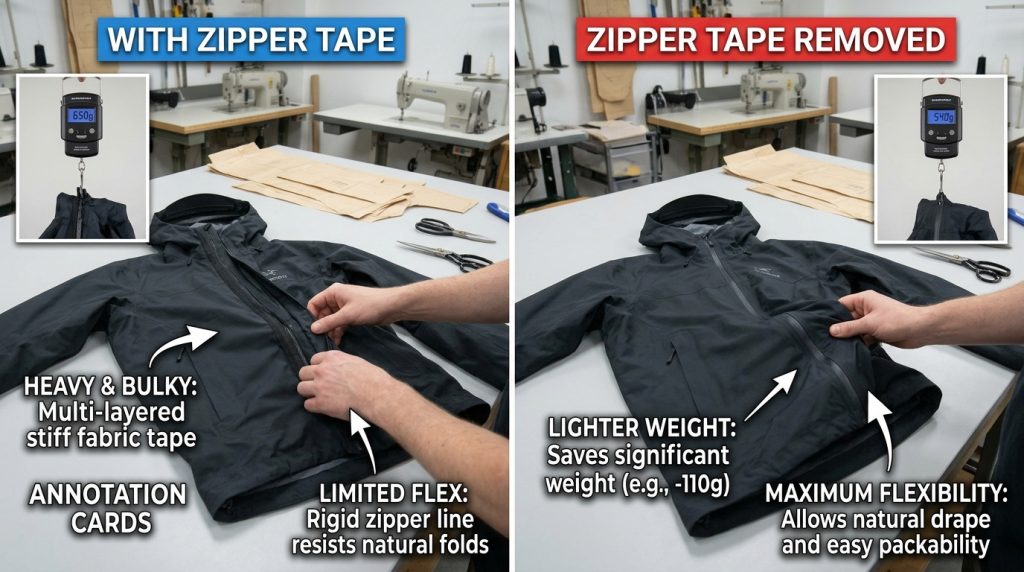
Every layer of material adds to a garment’s weight. The zipper tape is extra material that runs the full length of the closure. Add the stitching that holds it, and the closure carries more material than the fabric around it.
Stitching Through Thick Layers
Choosing the Needle and Thread
We are going to be stitching through some thick fabric, so I would recommend a really strong needle. You can use an upholstery needle. If you can’t find that, you can always use a topstitch needle or a super nonstick needle at 116. We also are going to need a good all-purpose polyester thread. We’re going to put this in the bobbin and in the top, and we’re going to make our stitches just a little bit bigger.
Keeping the Foot Level
I would recommend starting with a zipper foot, and for my first row of stitching, I’m going to go right over top of this little fold where the zipper was tucked inside. The machine is going to be able to sew through all this fabric. We just need to keep this foot in a level position. Now, if you don’t have this, you’re going to be able to build it up with fabric.
Slow and Steady
Turn your machine so it’s at the slowest speed. Go really slow and let the machine feed it in. Once you get over this hump, if you’d like, you can increase the speed and stitch all the way down along that edge, and this really helps run right along that zipper edge.
When we come to the end of the zipper, this is a little piece of plastic, and that helps everything stay put. Now we are going to be able to stitch through it with this strong needle. Once again, we’re going to go nice and slow. The whole key is slow and steady.
How Zipper Tape Affects Flexibility
The tape and its stitching create a firmer strip along the opening.
Two Rows of Stitching
Now I do like to do two rows of stitching, so I’m going to stitch over just a little bit. It doesn’t have to be a lot. I just would like two rows of stitching just to secure this down. I’m going to go as close as I can to this edge, and then, in just a little bit of a smaller space, go over those two rows of stitching. Really just add that little extra security.
The Finished Result
When that zipper is done up, you can see that it’s just a tiny bit bigger, but when that’s pulled over and snapped in, no one’s going to be the wiser.
Now I’m pretty sure this zipper is going to outlive the jacket, and I’m okay with that. They’re not hard to replace. We just need to make sure we have a good, strong needle, like an upholstery needle or a denim needle, have some good all-purpose thread, slow that machine down and do two rows of stitching, and it’s going to give it the strength and the wear that they’re going to need.
What Happens When the Tape is Removed
With NOTAPE™, the zipper is formed as one with the fabric using patented equipment, rather than traditional sewing methods. Without the tape, the closure no longer carries that extra strip of textile material.
The Key Takeaway
Contact NOTAPE™ to test tape-free zippers on your next collection.



Contact Us
In This Article
Related Posts
How Should Brands Evaluate Zipper Performance for High-End Outdoor Clothing?
November 17, 2026
Notape pitches lighter repairable zippers
November 16, 2026
130 Years Later, Cars Were Reinvented by Electrification. What About the Zipper?
October 12, 2026
Waterproof Zipper without Coating Supplier | NOTAPE™ No Coating Zipper Technology
September 26, 2026


