




NOTAPE™ Makes Its China Debut, Ushering in a New Era of Zipper Structures.
By NOTAPE
04, 2026Related Posts
130 Years Later, Cars Were Reinvented by Electrification. What About the Zipper?
October 12, 2026
Waterproof Zipper without Coating Supplier | NOTAPE™ No Coating Zipper Technology
September 26, 2026
From No Tape to Water Resistance Without Coating: NOTAPE™ Rethinks the Zipper Through Its “Three-No” Design
September 14, 2026
NOTAPE™Returns to Intertextile Shanghai Apparel Fabrics with Groundbreaking NO TAPE, NO SEAM, NO COATING Zipper Innovation
August 06, 2026
For years, the zipper has been one of the least discussed components in garment construction. Buyers focus on fabric, trims, fit, cost, and delivery. Designers concentrate on silhouette and finish. Factories prioritize output and consistency. Yet the zipper itself has remained almost unchanged for more than a century.
That is exactly why NOTAPE™ is getting attention.
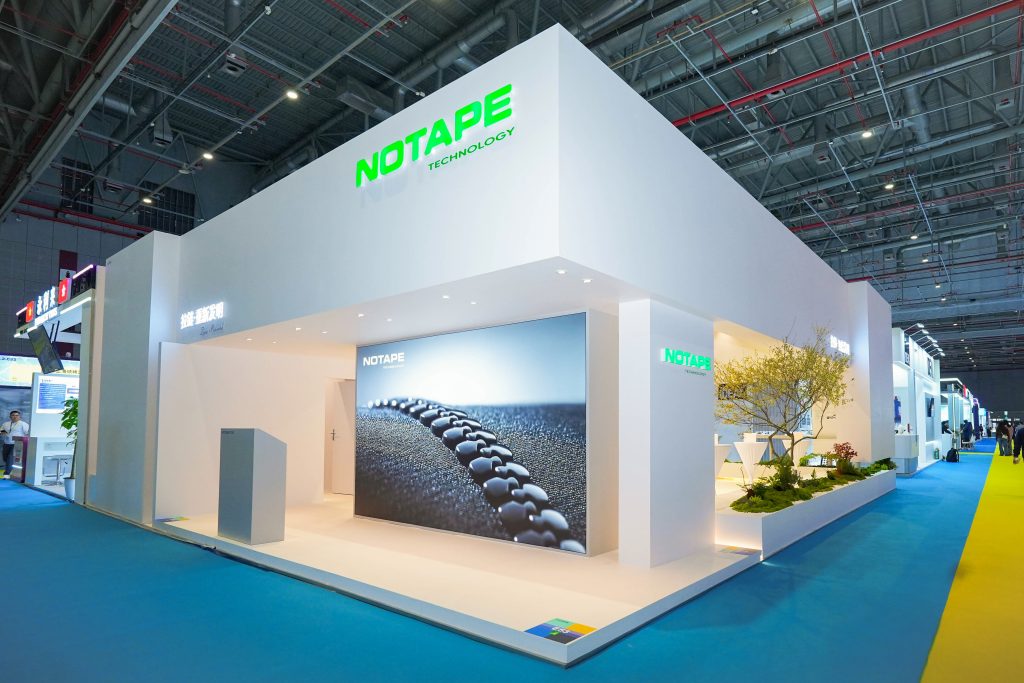
At InterTextile Shanghai Apparel Fabrics (Spring Edition), NOTAPE™ made its China debut and introduced a clear message to the market: the zipper does not have to follow the old logic anymore. This was not just a material update or a new color option. It was a structural rethink. Three words define the moment well: China Debut · Tape-Free · Structural Innovation.
For an industry now focused on lighter products, better function, cleaner design, and more responsible production, that message lands at the right time.
Why the Market Is Ready for a New Zipper Structure
The apparel industry is changing fast. Brands are under pressure to reduce weight, improve comfort, shorten development time, and respond to sustainability goals with something more meaningful than surface-level messaging. Buyers are also becoming more selective. They no longer want components that only “work.” They want components that help products sell better, fit better, and move through production more efficiently.
That shift is pushing many long-standing product structures back onto the table for review.
Zippers are one of them.
Traditional zipper construction is familiar to everyone in the business: teeth, slider, puller, and fabric tape on both sides. It is a proven system, but it also brings inherent limits. The tape requires dyeing and color matching. It adds thickness, can affect drape, and introduces extra sewing steps along with more quality variation.
NOTAPE™ addresses this at the foundational level.
Instead of retaining the tape, it removes it entirely.
That one move changes the basic logic of zipper construction.
What Does Tape-Free Mean?
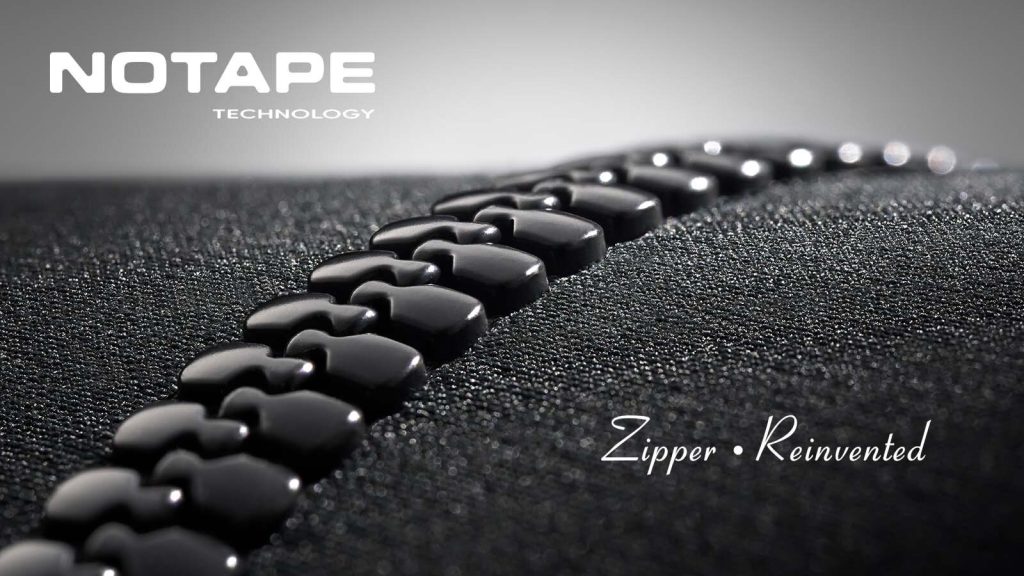
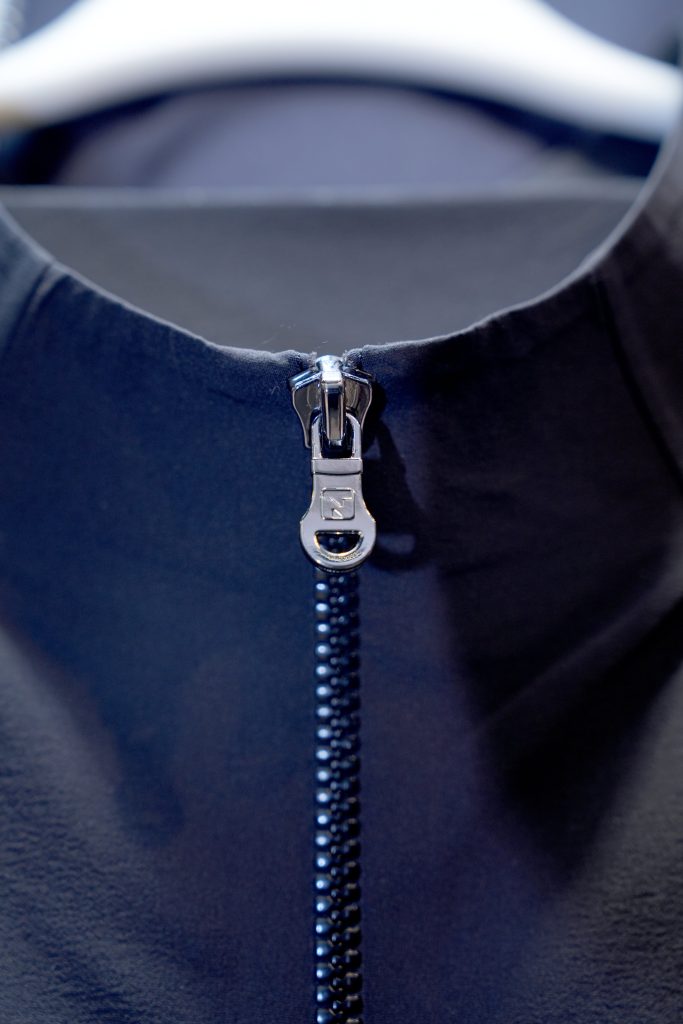
The concept is simple: zipper teeth are attached directly to the garment fabric rather than to a traditional woven tape. The zipper no longer sits on top of the garment as a separate, tape-based part. It integrates directly with the fabric itself.
This seemingly technical change brings tangible benefits: a simpler structure, cleaner appearance, broader application possibilities, fewer design restrictions, and fewer tape-related process issues.
It creates:
• A simpler structure
• A cleaner appearance
• More flexible product applications
• Fewer design restrictions
• Fewer tape-related process issues
In practical terms, it removes one of the oldest layers in zipper construction and replaces it with a more streamlined system.
For brands and developers, that opens new options. For factories, it can reduce some of the common pain points that come with tape sourcing, tape and fabric color matching, and tape handling. For designers, it creates a neater line and a lighter visual result.
Why This Matters for Designers and Brands
Design freedom is one of the strongest selling points of a tape-free zipper.
Traditional zipper tape can interrupt the look of a garment. It may create visible edges, extra bulk, or stiffness in areas where the designer wants a softer line. This becomes even more obvious in lightweight categories such as:
• Sun-protective jackets
• Lightweight outerwear
• Sportswear
• Fashion-led casual wear
• Soft technical garments
By removing tape, NOTAPE™ creates a slimmer construction that works better with fabrics that need to stay clean, light, and fluid.
That matters because many brands today are chasing exactly that look: less bulk, better drape, more modern construction, and a product that feels more refined in hand.
For design teams, this is not only about visual difference. It is also about having more freedom to build products without being limited by the shape and behavior of a traditional zipper tape.
Why This Matters for Factories and Supply Chains
From a factory point of view, innovation only matters when it can survive real production conditions.
That is where NOTAPE™ becomes commercially interesting.
In a traditional zipper system, tape brings extra variables into production. It may require dyeing, color coordination, sourcing management, and more process control during sewing. Every extra step increases the chance of delay, mismatch, or rework.
A tape-free structure helps simplify that path.
The value is not only in appearance. It is also in workflow.
Possible production-side advantages include:
• Fewer materials to manage
• Less color-matching pressure
• Simpler changeovers
• Fewer sewing-related variables
• Cleaner product consistency
For overseas buyers, this part matters a lot. A product may look innovative in sampling, but if it creates trouble in bulk production, the market loses interest very quickly. The appeal of NOTAPE™ is that its innovation is tied to structure, and structure often affects cost, output, and quality at the same time.
That gives it a stronger business case than many concept-led product launches.
A Lighter Product Story With a Stronger Sustainability Angle
Sustainability is now part of nearly every sourcing conversation. But buyers are also tired of vague claims.
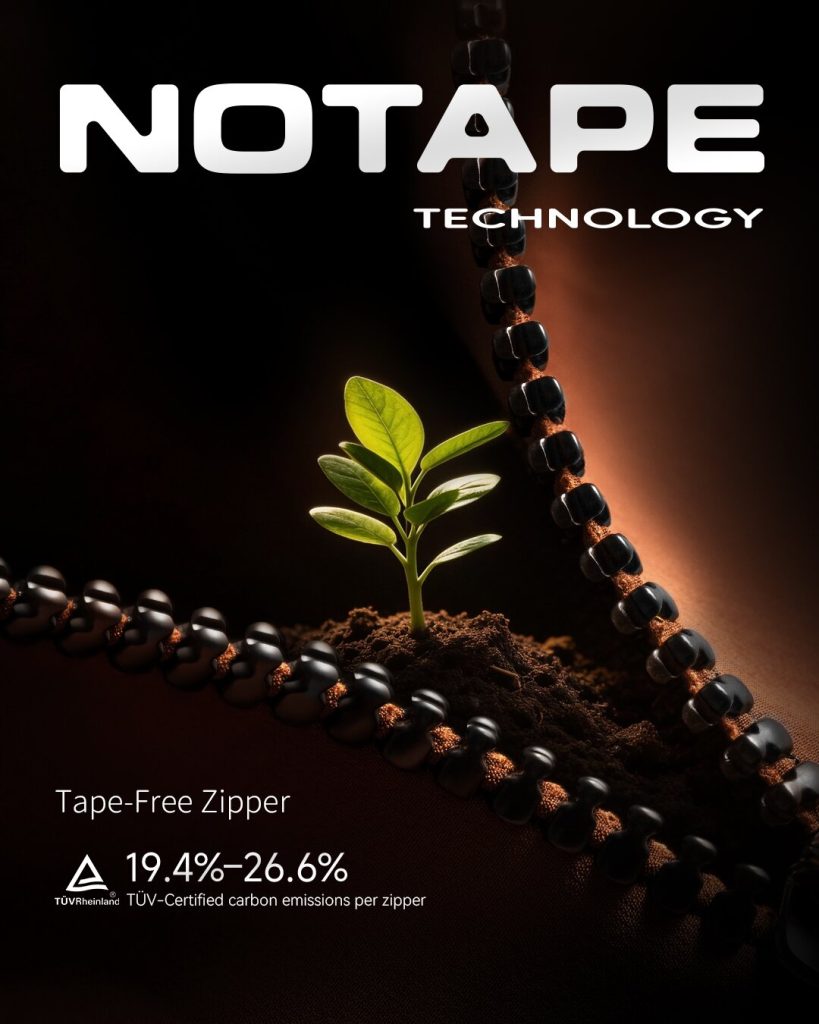
What makes NOTAPE™ more relevant is that its sustainability story is linked to process reduction. When zipper tape is removed, the entire associated process chain — weaving, dyeing, setting, transport, and stitching — can be reduced or eliminated. This creates a clearer path toward lower water and energy consumption, reduced chemical input, and a simpler production chain.
Internal assessments indicate reductions in water use, dyestuff consumption, wastewater discharge, energy demand, and carbon footprint. Those figures are company-reported, so buyers should still look at them as part of a broader technical evaluation. Even so, the core logic is easy to follow: when one process layer disappears, its environmental load can drop as well.
For brands working on ESG reporting, material innovation, or circular design strategy, that is a more useful story than a generic “green” label.
For end users, the result may show up in a more wearable form:
• Lighter products
• Better drape
• Less seam bulk
• Smoother fastening experience
• Potentially better comfort in daily use
In other words, the sustainability value is not separated from product value. It connects directly to performance and user experience.
Industry Recognition Is Helping Push the Conversation Forward
NOTAPE™ is not being noticed only because it is new. It is being noticed because it touches a part of apparel construction that the industry had largely stopped questioning.
That is why media and design platforms are responding.
According to the brand’s public communication, NOTAPE™ has drawn attention from well-known names including WWD, Efu, Tigerhood, and ZCOOL. That spread is important. It shows the topic is moving across fashion media, trade media, lifestyle media, and creative communities at the same time.
The discussion is no longer limited to “a new zipper product.”
It is becoming a conversation about whether the zipper itself can enter a new structural era.
That framing has also been strengthened by awards and international recognition. When a product wins attention from design and innovation platforms, it signals that the idea has moved beyond simple product novelty. It suggests the market sees broader relevance in it.
And in the case of NOTAPE™, that broader relevance is clear: it offers a new answer to an old product category.
More Than a Product Launch
The most important thing about NOTAPE™ is that it should not be understood as a one-off trim innovation.
It represents a different way of thinking about zipper construction.
That is why its China debut matters.
China remains one of the world’s most important centers for apparel sourcing, development, and manufacturing. When a structural innovation enters this market through a major platform like InterTextile Shanghai, it signals more than brand exposure. It signals commercial intent. It means the product is entering real industry conversations with brands, suppliers, factories, and developers who can actually take it to scale.
For the industry, this signals a new category of fastening. For brands and designers, it unlocks greater creative freedom. For factories, it offers a path toward simpler planning and fewer tape-related complications. For end users, it enables garments that feel lighter, cleaner, and more comfortable.
The Bigger Question Starts Now
The zipper has long been treated as a finished answer. NOTAPE™ suggests it may still be an open question — and that is what makes this launch worth watching.
In a market that demands lighter construction, smarter design, better function, and more responsible production, tape-free technology does more than introduce a new product. It challenges one of the oldest assumptions in apparel hardware.
NOTAPE™ may have made its China debut at Intertextile Shanghai, but the larger story is just beginning. Because this is not only about removing tape. It is about opening a new era for zipper structure.



Contact Us
In This Article
Related Posts
130 Years Later, Cars Were Reinvented by Electrification. What About the Zipper?
October 12, 2026
Waterproof Zipper without Coating Supplier | NOTAPE™ No Coating Zipper Technology
September 26, 2026
From No Tape to Water Resistance Without Coating: NOTAPE™ Rethinks the Zipper Through Its “Three-No” Design
September 14, 2026
NOTAPE™Returns to Intertextile Shanghai Apparel Fabrics with Groundbreaking NO TAPE, NO SEAM, NO COATING Zipper Innovation
August 06, 2026


