




Water-Resistant Zippers Without Coating: A New Option for Outdoor Apparel

Related Posts
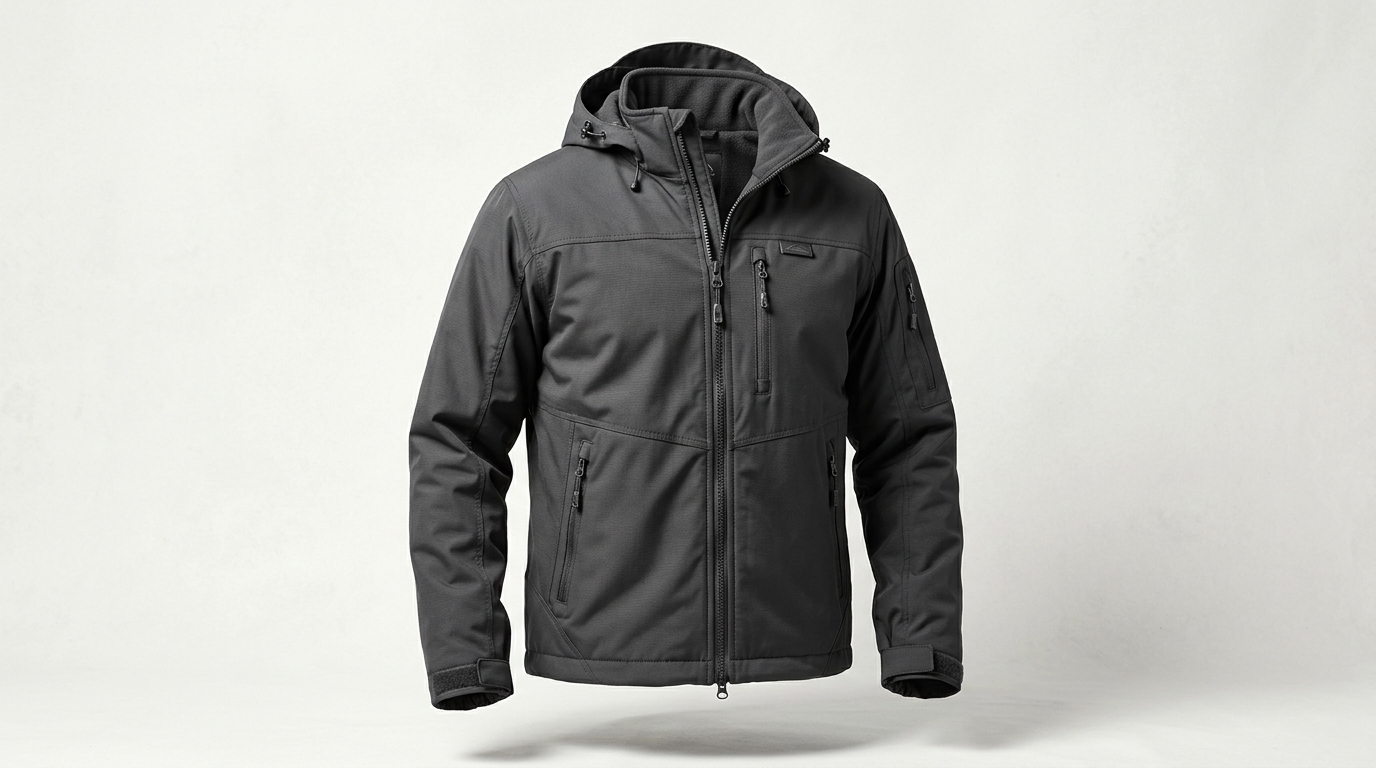
How Should Brands Evaluate Zipper Performance for High-End Outdoor Clothing?
November 17, 2026
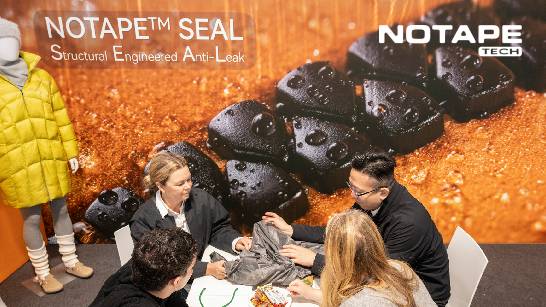
Notape pitches lighter repairable zippers
November 16, 2026
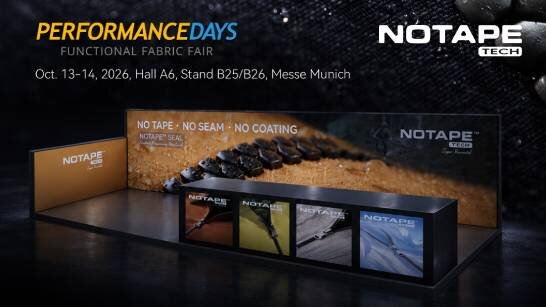
130 Years Later, Cars Were Reinvented by Electrification. What About the Zipper?
October 12, 2026
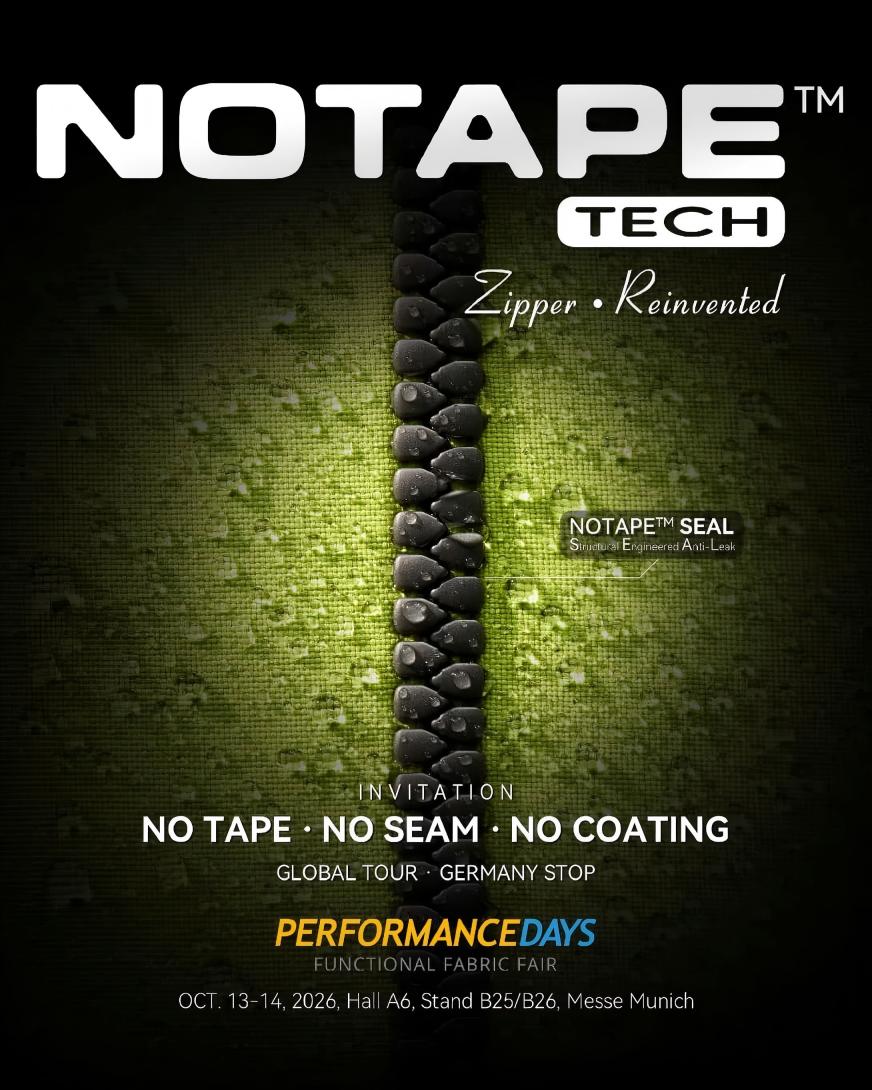
Waterproof Zipper without Coating Supplier | NOTAPE™ No Coating Zipper Technology
September 26, 2026
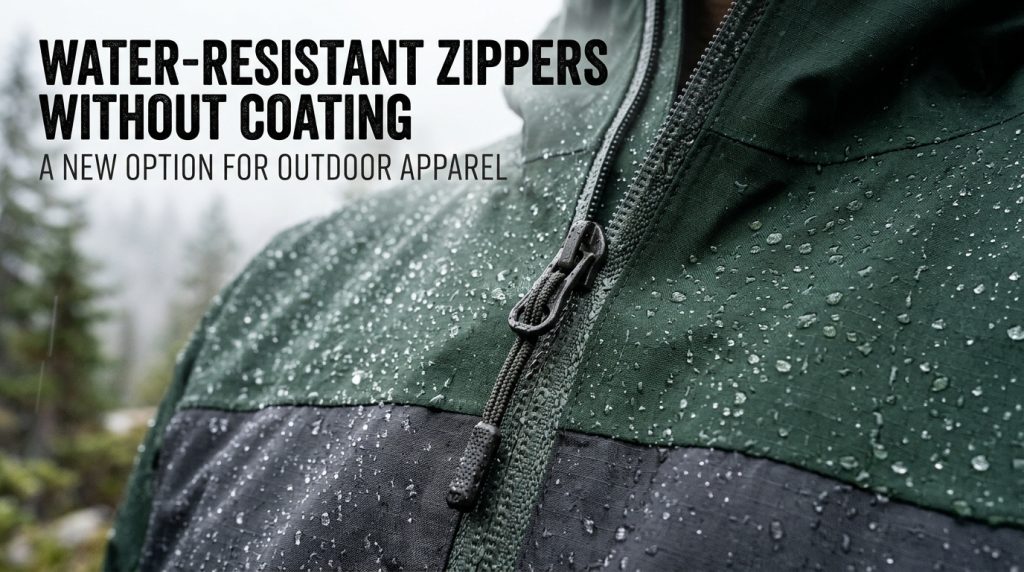
Water-Resistant Zippers Without Coating: A New Option for Outdoor Apparel
Outdoor apparel must protect people from the weather. The zipper is one of the most important details because it is an opening that runs through the front of the jacket.
I know all you hunters out there or you avid nature lovers are ready to get outdoors, and your zipper is broken.
Water Resistant Versus Waterproof
I know in the title I put waterproof, but this is not actually for something that would be submerged in the water. This is a water-resistant zipper. I just put waterproof because that’s what people search.
Many water-resistant closures rely on extra elements. But brands now have another option.
The Traditional Water-Resistant Zipper
Most zippers are built on textile tape. The teeth sit on the tape, and the tape is sewn into the garment.
The Separating Zipper
This is a jacket zipper, or what we call a separating zipper, and this is the one where you can take the bottom post out of the zipper slide so that you can separate the jacket into two pieces. So we’re actually going to get to sew this zipper in two pieces as well.
Now the correct way, the more advanced way, would be to cut out the line of stitches that is holding the old zipper in place and to replace it just as it was originally sewn in. Now, instead of nesting this in between two layers of fabric all the way down, which would take extra time and extra skill level, we’re just gonna literally slap this thing on the outer layer of this jacket.
Removing the Old Zipper
So basically I’m gonna cut off, cut away the old broken zipper. I’m only cutting away the coils, and when I get to this tough spot here, I just switched over to a razor and sliced that top part off. You just remove the zipper coil on the other side as well.
Sewing the Zipper on
So I turned down that top tab, and I have started with a little back stitch here at the top, and we’re gonna sew our way down the front of the zipper.
Let’s first talk about what I’m doing with my hands here. I’m not just pushing the fabric and the zipper through, but I’m tracking with my right hand. I’m pressing down to make sure that the zipper is not moving at a different speed, going through at a different speed than the jacket, which would make the zipper kind of bumpy or roll. So you can see I’m kind of tugging on the end off-screen. I’m pulling that zipper out flat on the jacket, making sure there’s not going to be any waviness at all, and then I’m going to push it through, and you can see how my index finger is really making that zipper go through at the exact same rate that the pulling on the jacket is. It may look a little funny while you do it but in the end it’s going to be right.
There’s just a little bit of a tail left over at the end of the jacket. For another day, we could do a more advanced zipper tutorial where you can actually shorten the zipper, change where the stop is, and make it the exact length you need.
The Problem with a Coated Zipper
Now, because of the water-resistant coating that the zipper has, it does have a little bit of a grip to it. So if you’re having a hard time getting this to not grip, I’ve got some tips coming up for you about that.
Avoiding the Grippiness
So right now I’m showing you option two for avoiding the grippiness, which is my favorite. You can see I’m just kind of floating along the fabric. That’s because I’ve dropped my feed dogs. That’s something, if you’re not familiar with it on your machine, you definitely want to Google that, look that up, and learn how to do that with your machine. It is a game changer.
Now you can tell this is a free motion stitch, which means you can kind of wobble around a little bit, so quite freely. So you’re going to want to go back and do a nice straight, even stitch with your feed dogs engaged after you do this. That way you don’t have too crooked a line there trying to hold the zipper in place.
The Placket
I’m going to pick it apart with a razor. This is a little placket piece that’s behind the top right of the zipper that just keeps the zipper from irritating and rubbing. All right, so now we need to put that little chin guard back in place. We’re going to roll it right over the top there and sew that down.
Lining Up the Ends
I’m going to tack it to the top now of the jacket. Then I’m going to hop down to the bottom of the jacket and start sewing down there, and the top will be held in place. I’m going to make sure the ends of the zipper line up, so I’m going to start where the zipper is overhanging the same exact amount as it is on the other side.
All right, so on both sides, both zipper sides, we’re going to go ahead and sew a complete straight stitch down the side, as I mentioned earlier. That way you’ve got two rows of stitches holding it in place. You’re definitely going to want to test out your zipper throughout this project so you don’t have any unfortunate surprises.
Why Stitching Holes Matter
This tape defines the profile, adds material, shapes the seam, and often leaves visible stitch lines.
Now, the last very important detail: so that you can have this jacket be as water-resistant as possible, you need to wax the threads. So this is a piece of thread wax that I have, but you can also use a black crayon, for instance. You could use beeswax, but basically you’re going to rub this along wherever you stitch to fill in the pinholes, the puncture holes from the needle, and that’s going to kind of help seal things up. If you want to warm it up a little bit, you could hit it with a hair dryer. Well, you know, the warm air from the hair dryer will melt that wax in there and then go over with a top coat of the wax.
NOTAPE™ SEAL: NoTape, No Seam, No Coating
NOTAPE™ offers the NOTAPE™ SEAL Water-resistant Zipper. Its description is simple and clear: No Tape, No Seam, No Coating.
With NOTAPE™, the zipper is formed as one with the fabric using patented equipment, rather than traditional sewing methods. The textile tape is removed entirely.
Which Outdoor Garments Can Use it?
Premium outdoor shells, windbreakers, and lightweight jackets are natural places to explore NOTAPE™ SEAL.
A Fresh Approach to Water-Resistant Closures
Contact NOTAPE™ to explore NOTAPE™ SEAL for your next outdoor collection.



Contact Us
In This Article
Related Posts
How Should Brands Evaluate Zipper Performance for High-End Outdoor Clothing?
November 17, 2026
Notape pitches lighter repairable zippers
November 16, 2026
130 Years Later, Cars Were Reinvented by Electrification. What About the Zipper?
October 12, 2026
Waterproof Zipper without Coating Supplier | NOTAPE™ No Coating Zipper Technology
September 26, 2026


